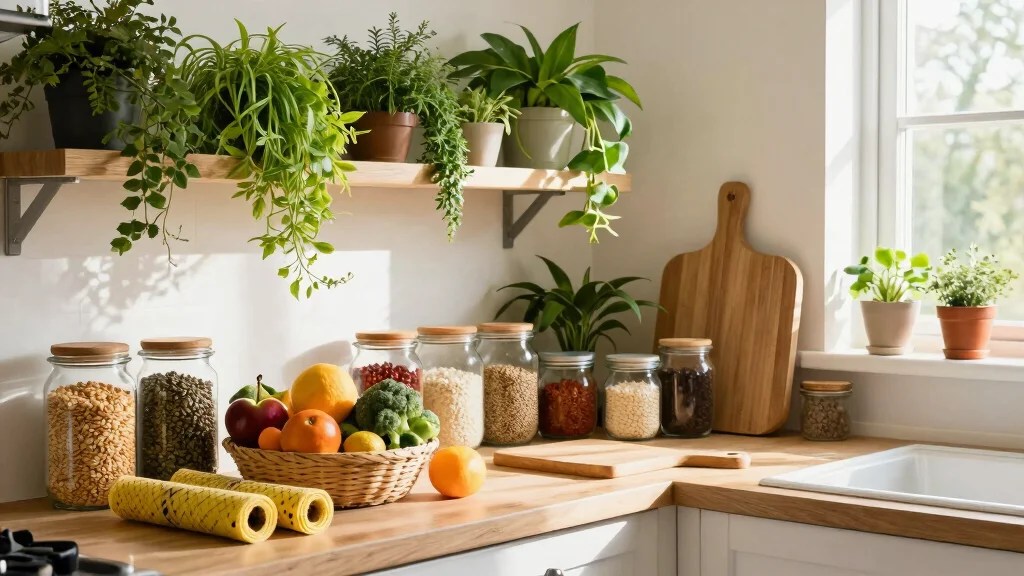
When you think about living sustainably, do you picture endless rules and sacrifices? I get it. It can feel overwhelming at times. But let’s clear the air: sustainable living can actually make your life easier and your home healthier. I created this guide because I want to show you how small changes can have a big impact on your well-being and the planet. These shifts aren’t about deprivation; they’re about embracing a lifestyle that nourishes both you and your environment.
If you’re someone who cares about having an eco-friendly home and a healthy lifestyle, you’re in the right spot. Maybe you’re curious about where to start or perhaps you’ve tried some things but want to dive deeper. Either way, this guide is tailored just for you. By the end, you’ll discover practical steps to transform your living space and enhance your health without feeling like you’re giving up anything.
What can you expect? I’ve pulled together a step-by-step approach that covers everything from embracing minimalism to growing your own food. Each section is packed with tips that are straightforward, effective, and easy to implement. Let’s embark on this journey to a more sustainable life together!
Key Takeaways
– Embrace Minimalism: Learn how reducing clutter can lead to a clearer mind and a more serene living space.
– Choose Eco-Friendly Products: Discover which products can help you make healthier choices for your home and family.
– Grow Your Own Food: Explore the benefits of gardening, including fresh produce and mental well-being.
– Go Plastic-Free: Understand simple swaps you can make to reduce plastic waste and protect the environment.
– Implement Energy Efficiency: Get tips on making your home more energy-efficient, saving you money and reducing your carbon footprint.
Contents
- 1. Embrace Minimalism
- 2. Choose Eco-Friendly Products
- 3. Grow Your Own Food
- 4. Go Plastic-Free
- 5. Implement Energy Efficiency
- 6. Practice Conscious Consumption
- 7. Transition to a Plant-Based Diet
- 8. Reduce Water Usage
- 9. Educate and Inspire Others
- 10. Reflect and Adjust
1. Embrace Minimalism

Are you feeling overwhelmed by clutter? Embracing minimalism can transform your space into a serene oasis. By keeping only what truly matters, you can create a home that reflects your values and brings you joy. Imagine a clean, organized environment filled with items that serve a purpose or spark happiness.
Begin your journey by tackling one room at a time. Focus on quick wins to build momentum and keep your motivation high. You might find that donating or selling items you no longer need not only clears space but also helps others in your community.
Key steps to embrace minimalism:
– Start with one room at a time.
– Follow the ‘one in, one out’ rule.
– Regularly assess your belongings.
– Create a donation box to make it easier to let go.
This practice cultivates an intentional lifestyle, bringing clarity and peace to your home.
Embrace Minimalism
Editor’s Choice




2. Choose Eco-Friendly Products
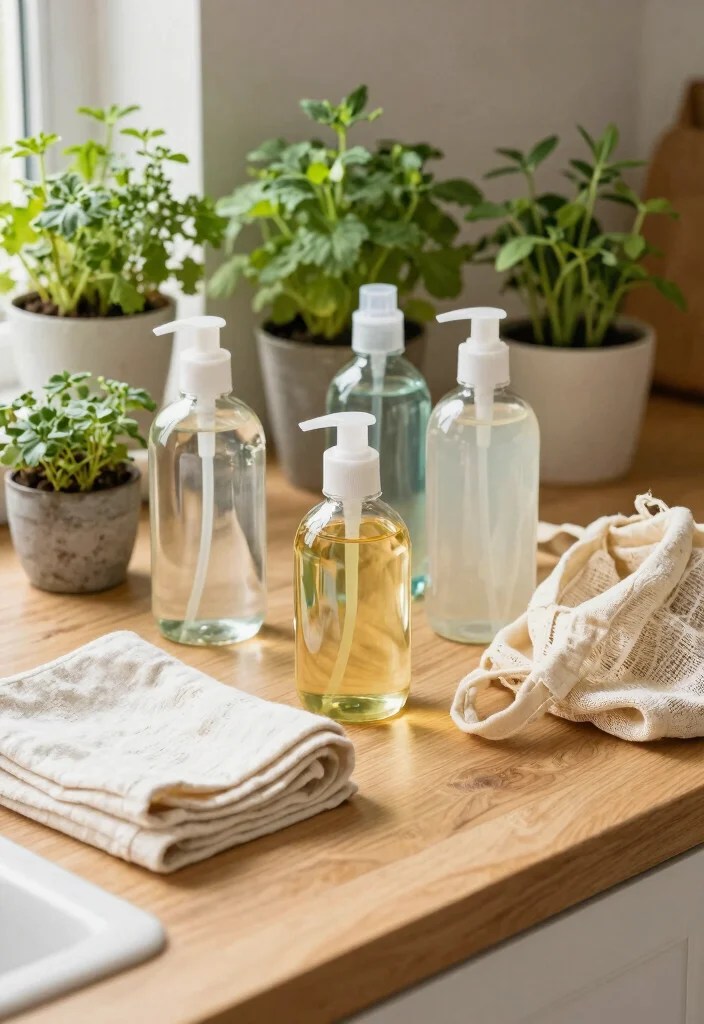
Looking to make a positive impact on your health and the planet? Switching to eco-friendly products is a simple yet effective way to do just that. These options often use natural ingredients and sustainable materials, which are gentler on both your body and the environment.
Explore cleaning supplies, personal care items, and home goods that prioritize safety and sustainability. Remember, products with minimal or no plastic packaging help reduce waste significantly, allowing you to cultivate a healthier living space.
Key considerations for eco-friendly choices:
– Look for certifications like biodegradable and organic.
– Research brands that prioritize sustainable practices.
– Create DIY cleaning solutions as a cost-effective alternative.
By choosing eco-friendly products, you inspire others to rethink their consumption habits while enhancing your own well-being.
Fun fact: Switching to eco-friendly products with minimal packaging can cut your household plastic waste by up to 40% in just a year. This shift supports sustainable living by using natural ingredients and sustainable materials that are gentler on you and the planet.
Choose Eco-Friendly Products
Editor’s Choice




3. Grow Your Own Food
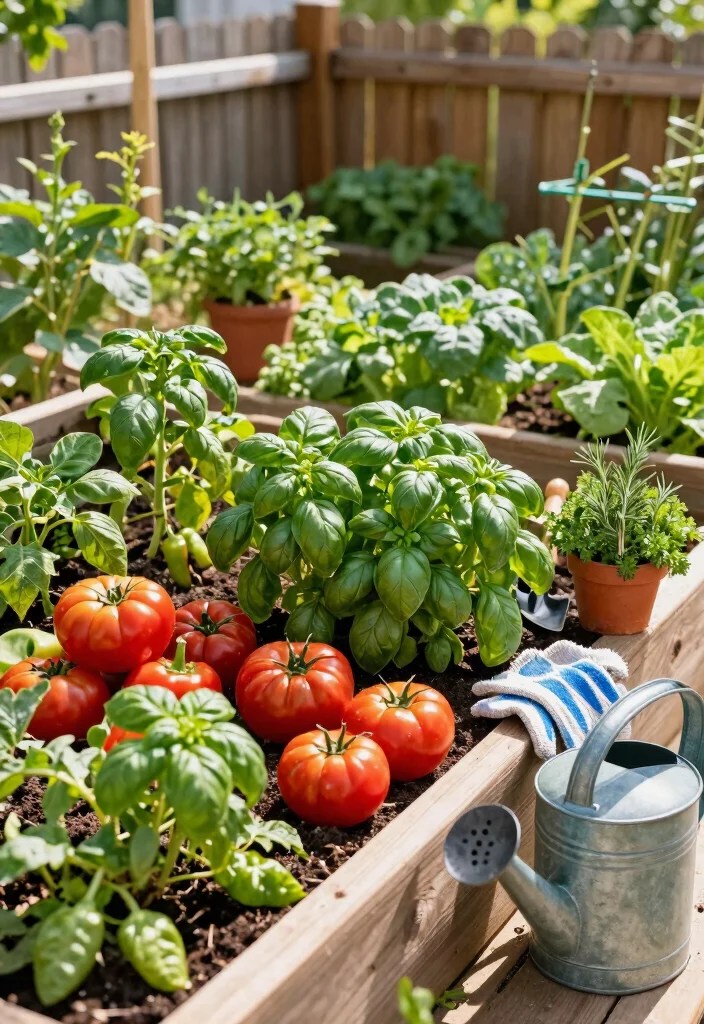
Do you crave the freshest ingredients? Starting your own garden is a rewarding way to enjoy healthy, homegrown food. Whether you have a backyard or a balcony, cultivating fruits, veggies, and herbs can improve your diet and reduce your carbon footprint.
By growing your own food, you not only save money but also eliminate the need for transportation and plastic packaging. Plus, spending time in your garden can boost your mood and lower stress levels, making it a fulfilling hobby.
Getting started with gardening:
– Choose plants that suit your climate.
– Use organic seeds and soil for healthy growth.
– Start small with easy options like herbs or cherry tomatoes.
– Join a community garden if space is limited.
Growing your own food strengthens your connection to what you eat and encourages healthier choices.
Grow Your Own Food
Editor’s Choice


How To Choose Eco-Friendly Products for a Sustainable Home
Choosing the right eco-friendly products is essential for creating a sustainable home. These products can enhance your health, reduce your environmental impact, and save you money in the long run. Here’s a step-by-step guide to help you make informed choices:
1. Material Matters
When selecting eco-friendly products, pay attention to the materials used. Look for natural, renewable, and biodegradable materials such as bamboo, organic cotton, or recycled plastics. Avoid products with harmful chemicals or synthetic materials that can be detrimental to your health and the environment.
2. Certification Check
Look for certifications that indicate a product meets specific environmental standards. Labels such as Energy Star, USDA Organic, or Green Seal can give you confidence that the product is genuinely eco-friendly. These certifications often come from reliable organizations that assess products for their sustainability practices.
3. Functionality and Design
Evaluate the functionality and design of the product. Ensure it meets your needs while being practical for everyday use. For instance, if you’re looking for eco-friendly cleaning supplies, consider products that not only perform well but are also easy to use and store. A product’s design can enhance its usability and longevity.
4. Brand Reputation
Research the brand behind the product. Choose companies that prioritize sustainability and social responsibility. Look for brands that are transparent about their manufacturing processes and supply chains. Supporting businesses that align with your values can make a significant impact on promoting sustainable practices.
5. Cost vs. Value
While some eco-friendly products may have a higher upfront cost, consider their long-term value. Often, these products are more durable, saving you money over time. Weigh the initial investment against the potential savings and benefits to your health and the planet. It’s wise to view eco-friendly purchases as an investment in a healthier lifestyle.
6. Local vs. Imported
Whenever possible, choose locally-made eco-friendly products. Supporting local businesses reduces carbon footprints associated with shipping and packaging. Plus, local products often have a smaller environmental impact and help strengthen your community. Check for local farmers’ markets, craft fairs, or eco-friendly stores to find great options.
Pro Tip: Before making a purchase, create a list of essential items you need and prioritize eco-friendly alternatives. This strategy can help prevent impulse buys and ensure you invest in products that align with your sustainable living goals.
Embracing eco-friendly products is a practical step toward a healthier home and lifestyle. By carefully selecting materials, checking certifications, and considering the brand’s values, you can enhance your living space while positively impacting the environment. Remember that small changes can lead to significant benefits over time, both for you and the planet.
.guide-card{margin:25px 0;padding:24px;background:#f8f9fa;border-radius:12px;border:2px solid #e0e0e0;box-shadow:0 2px 8px rgba(0,0,0,0.06)}.guide-card h2{font-size:22px;font-weight:700;color:#1a1a1a;margin:0 0 16px 0;line-height:1.3;border-bottom:2px solid #333;padding-bottom:8px}.guide-card strong{color:#2d2d2d;font-weight:600}.guide-card ul,.guide-card ol{margin:12px 0;padding-left:24px}.guide-card li{margin:8px 0;color:#4a4a4a;line-height:1.6}.guide-card p{color:#4a4a4a;line-height:1.7;margin:10px 0}@media(max-width:768px){.guide-card{padding:20px;margin:20px 0}.guide-card h2{font-size:20px}}@media(max-width:480px){.guide-card{padding:16px;margin:16px 0}.guide-card h2{font-size:18px}}
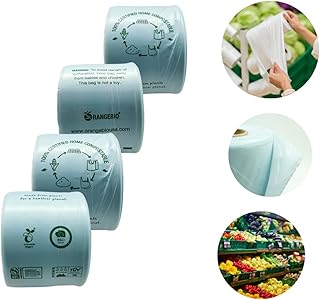
4. Go Plastic-Free

Have you noticed how plastic pollution affects our environment? Transitioning to a plastic-free lifestyle may seem daunting, but the benefits are substantial. By replacing single-use plastics with reusable options, you can significantly reduce waste and protect your health.
Think about using cloth shopping bags, stainless steel straws, and glass containers instead of their plastic counterparts. This simple shift minimizes harmful chemicals and promotes a cleaner planet.
Steps to reduce plastic use:
– Always carry a reusable water bottle.
– Choose bulk items to limit packaging waste.
– Support local businesses committed to sustainability.
By embracing a plastic-free lifestyle, you contribute to a healthier planet and enhance your own well-being.
📹 Related Video: 11 SUPER EASY Zero Waste Swaps to Reduce Plastic at Home – Sustainable Living
5. Implement Energy Efficiency

Are you tired of high utility bills? Improving energy efficiency in your home can help you save money while benefiting the environment. Start with small changes, like switching to LED bulbs, which consume less energy and last longer.
Consider investing in energy-efficient appliances and smart thermostats to further reduce consumption. Simple adjustments like these can lead to significant savings over time and create a more sustainable living space.
Energy-saving tips:
– Unplug electronics when not in use.
– Use natural light whenever possible.
– Opt for cold water washes for laundry.
Enhancing energy efficiency promotes sustainable living and fosters a healthier environment with fewer emissions.@media (max-width: 768px) { .internal-links-flex { flex-direction: column !important; } .internal-links-flex > div { flex: none !important; } }
You might also like

10 Best Valentine’s Day Nail Art Kits of 2025 – Create Stunning Designs at Home
6. Practice Conscious Consumption

Are you aware of how your purchases impact the planet? Practicing conscious consumption involves being mindful of the products you buy and their origins. Before making a purchase, consider the environmental effects and choose brands that prioritize sustainability and fair trade.
Understanding the journey of each product—from production to disposal—enables you to make choices that support both your health and the environment. This mindset encourages a more thoughtful approach to shopping.
Ways to practice conscious consumption:
– Research brands before buying.
– Avoid fast fashion; support thrift shops instead.
– Buy in bulk to minimize packaging.
By adopting this mindset, you promote a sustainable economy and encourage others to embrace eco-friendly practices.
Practice Conscious Consumption
Editor’s Choice


7. Transition to a Plant-Based Diet
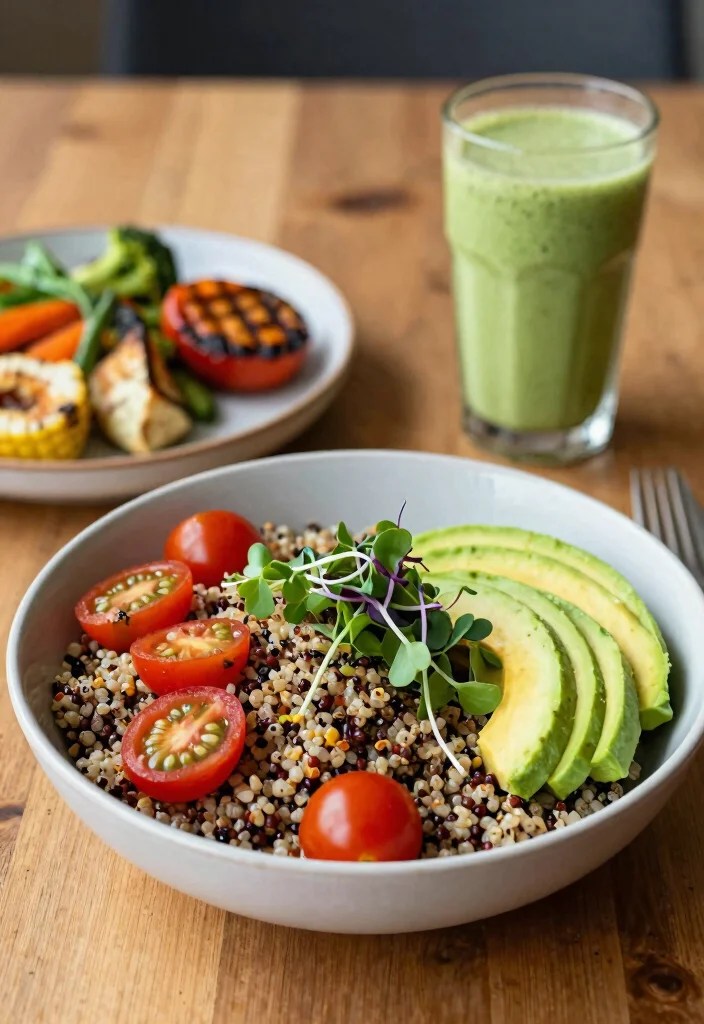
Curious about the benefits of a plant-based diet? Shifting toward plant-based eating can enhance your health while positively impacting the environment. Studies show that plant-based diets can lower chronic disease risks and help with weight management.
Incorporating more meatless meals into your week can be a gradual approach. You don’t have to go all-in; simply experiment with delicious plant-based recipes and enjoy the variety they offer.
To start your plant-based journey:
– Try meat substitutes like lentils or chickpeas.
– Explore new vegetable and grain recipes.
– Join supportive communities for motivation and ideas.
Embracing a plant-based diet not only boosts your health but also contributes to a more sustainable future.
It’s a simple step toward sustainable living that boosts energy and health—one delicious meal at a time. Small plant-based swaps add up: one meatless dinner a week can curb cravings, trim your bill, and lower your environmental footprint.
Transition to a Plant-Based Diet
Editor’s Choice


8. Reduce Water Usage
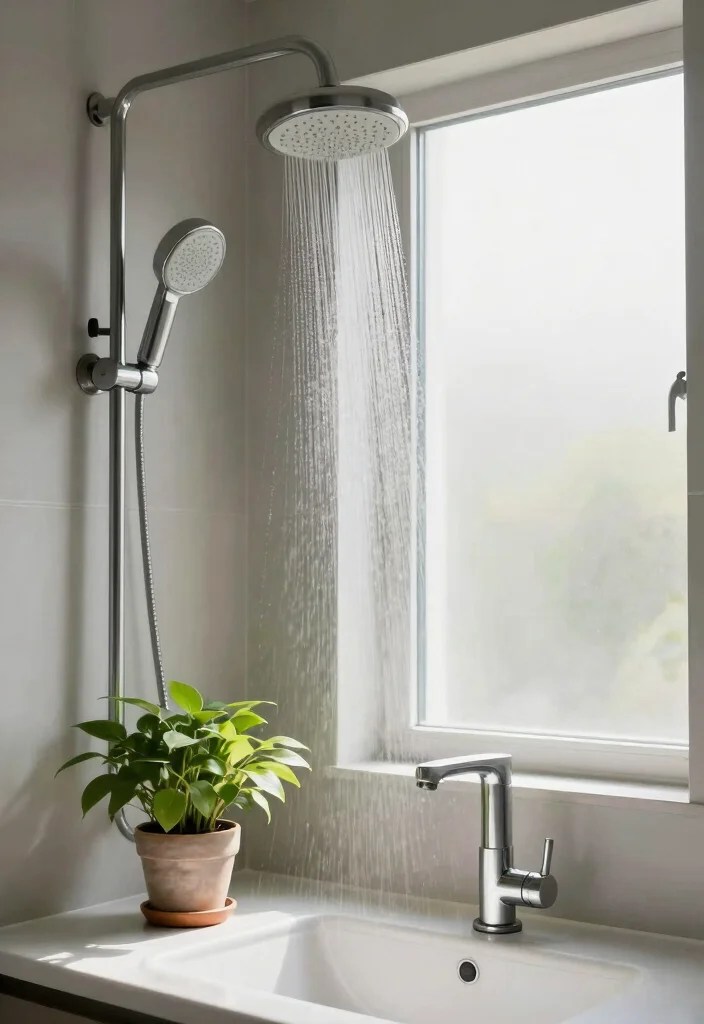
Are you looking for easy ways to conserve water? Reducing water usage is crucial for both health and environmental sustainability. Simple actions, like taking shorter showers and fixing leaks promptly, can lead to significant savings.
Collecting rainwater for gardening is another sustainable option that nurtures your plants while easing the burden on municipal resources. Every drop counts, so consider your daily habits.
Water-saving strategies:
– Install water-efficient fixtures in your home.
– Use mulch in gardens to retain moisture.
– Only run full loads in dishwashers and washing machines.
By reducing water consumption, you help conserve this precious resource and lower your bills.
Did you know a 5-minute shower can waste 15–25 gallons of water? Shorter showers, fixing leaks, and rainwater harvesting can cut household usage by up to 30%—a simple step toward sustainable living.
9. Educate and Inspire Others

Do you want to make a difference in your community? Sharing your journey toward sustainable living can inspire others to take action. By discussing your experiences and the benefits you’ve enjoyed, you can motivate friends and family to consider their own habits.
Whether through social media, events, or casual conversations, your passion for sustainability can create a ripple effect, encouraging positive changes among those around you.
Ways to spread the word:
– Start conversations about sustainability in your community.
– Organize eco-friendly workshops or events.
– Share your tips online or in local newsletters.
Empowering others to adopt sustainable practices builds a supportive community focused on healthier choices.
10. Reflect and Adjust
Are you committed to your sustainability journey? Regular reflection and adjustment are key to maintaining momentum. Take the time to evaluate your habits and identify areas for improvement to stay aligned with your goals.
Keeping a journal can help track your progress, while setting monthly goals encourages new habits. Celebrate your achievements, no matter how small, to reinforce your commitment.
Reflection tips:
– Keep a journal of your sustainable practices.
– Set monthly goals to incorporate new habits.
– Celebrate achievements, no matter how small.
Engaging in self-reflection strengthens your commitment to a sustainable lifestyle, promoting long-term health and well-being.
Conclusion
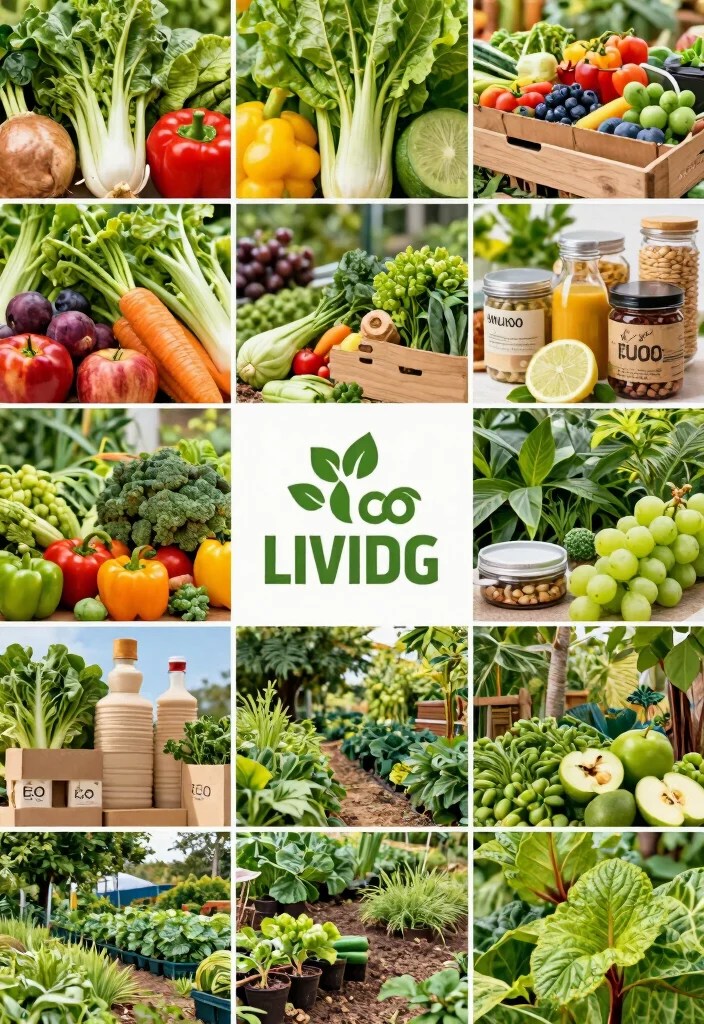
Adopting a sustainable lifestyle is more than just a trend; it’s a commitment to bettering yourself and the planet.
Each step you take not only enhances your health but also contributes to a larger movement towards a more eco-friendly world. By sharing your journey and encouraging others, you create a ripple effect that can inspire real change. Let’s embrace sustainable living together for a healthier home and a happier life.
Note: We aim to provide accurate product links, but some may occasionally expire or become unavailable. If this happens, please search directly on Amazon for the product or a suitable alternative.
This post contains Amazon affiliate links, meaning we may earn a small commission if you purchase through our links, at no extra cost to you.
Frequently Asked Questions
What is sustainable living and how can it transform your health and home?
Sustainable living is a practical approach to reducing waste, conserving resources, and making eco-friendly choices in daily life. By focusing on cleaner air, safer products, and efficient energy and water use, you can boost your healthy lifestyle while making your home more comfortable and resilient. Start with small, achievable steps—switch to energy-efficient appliances, choose low-VOC paints and non-toxic cleaners, and replace disposable products with durable, reusable options. Over time, these changes can lower exposure to chemicals, cut utility bills, and boost energy, mood, and overall wellbeing at home.
What are practical beginner-friendly eco-friendly swaps to boost health and home?
Here are simple, beginner-friendly swaps that fit into any budget and space:
Replace single-use plastics with reusable bottles, jars, and beeswax wraps to cut waste and reduce chemical exposure.
Switch to LED lighting and energy-efficient appliances to lower bills and emissions.
Use non-toxic, plant-based cleaners and natural air fresheners instead of harsh chemicals.
Add a few houseplants to improve air quality and mood, and choose furniture made from sustainable materials.
Seal drafts and install low-flow fixtures to save water and energy while supporting a healthier home.
Can sustainable living save money while supporting a healthy lifestyle?
Absolutely. Many eco-friendly choices pay you back in savings. Energy-efficient appliances and smart thermostats cut monthly bills, durable goods last longer, and reducing food waste lowers grocery costs. Choosing bulk, unprocessed foods reduces packaging waste and often saves money, while avoiding toxic cleaners keeps your family healthier and lowers medical costs. Over time, sustainable living doesn’t just help the planet—it can boost your mood, energy, and overall well-being as part of a healthy lifestyle.
What are the easiest daily habits to start with for sustainable living?
Start with tiny, repeatable actions that compound over time.
Plan meals and use leftovers to cut food waste and support a healthier lifestyle.
Carry a reusable bag, bottle, and utensil set to reduce single-use plastics.
Choose reusable or durable products and fix leaks to conserve water and energy.
Choose low-VOC paints and natural cleaners when updating spaces for better indoor air quality.
How do I kick off an eco-friendly home makeover that boosts air quality and wellbeing?
Begin with a quick audit: assess energy, water, waste, and air quality in your space.
Prioritize high-impact, low-cost changes like sealing drafts, swapping to LED lighting, and replacing harsh cleaners with eco-friendly products.
Improve indoor air with ventilation, houseplants, and a few low-VOC paints or finishes.
Track your progress and celebrate small wins as you gradually upgrade appliances and fixtures for a healthier, more sustainable home.
Related Topics
sustainable living
eco-friendly home
healthy lifestyle
green cleaning
zero waste tips
beginner friendly
natural products
energy efficiency
mindful consumption
sustainable gardening
DIY home projects
health benefits
 BECAUSE IT'S ALWAYS
Leave a comment