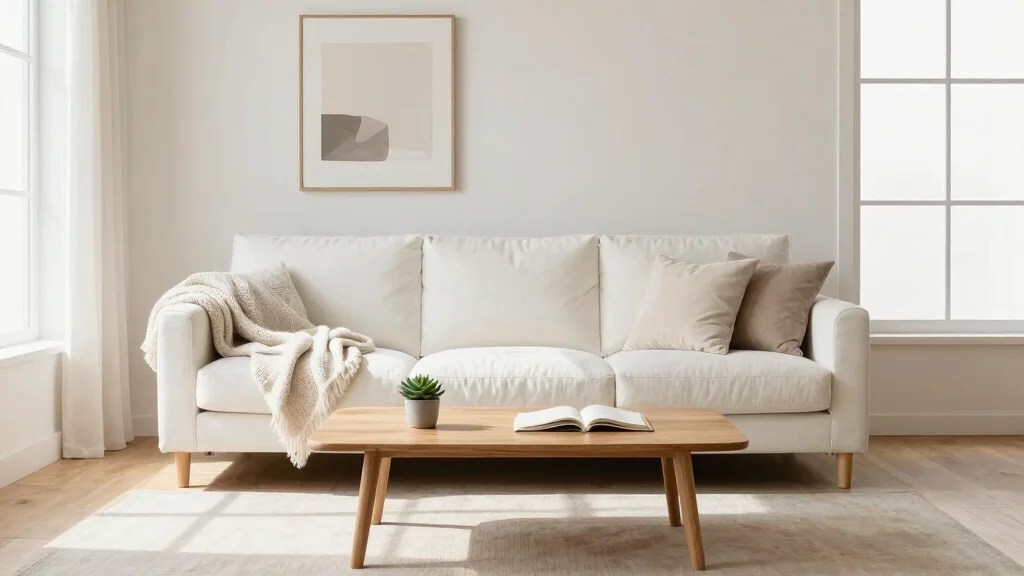
Transforming your home with minimalist decor can feel like a breath of fresh air. Whether you’re overwhelmed by clutter or just craving a simpler aesthetic, this guide is here to help. Minimalism isn’t just about having less; it’s about creating a space that truly reflects who you are. I created this post to share practical steps and ideas that can help you embrace this calming style.
If you love simplicity and yearn for a more organized life, you’re in the right place. This guide is perfect for anyone looking to declutter their living space while also elevating their home’s design. You’ll discover not only the basics of minimalist home decor but also how to select pieces that enhance functionality and beauty.
Get ready to explore ten actionable steps that will lead you to a space that feels both serene and stylish. From decluttering to choosing the right color palette, I pulled together tips that are practical and easy to implement. By the end of this guide, you’ll have a clearer vision of how to transform your space into a minimalist haven.
Key Takeaways
– Start with decluttering to create a clean slate and remove items that no longer serve you.
– Emphasize simple designs that promote a sense of calm and clarity in your space.
– Choose a color palette that reflects tranquility, using neutral tones and natural hues.
– Invest in quality pieces that stand out rather than filling your space with numerous items.
– Maintain your minimalist space by regularly reassessing and keeping only what you truly need.
Contents
- 1. Start with Decluttering
- 2. Emphasize Simple Designs
- 3. Choose the Right Color Palette
- 4. Invest in Quality over Quantity
- 5. Focus on Functionality
- 6. Use Natural Elements
- 7. Prioritize Lighting
- 8. Create Zones
- 9. Keep Accessories Minimal
- 10. Maintain Your Space
1. Start with Decluttering
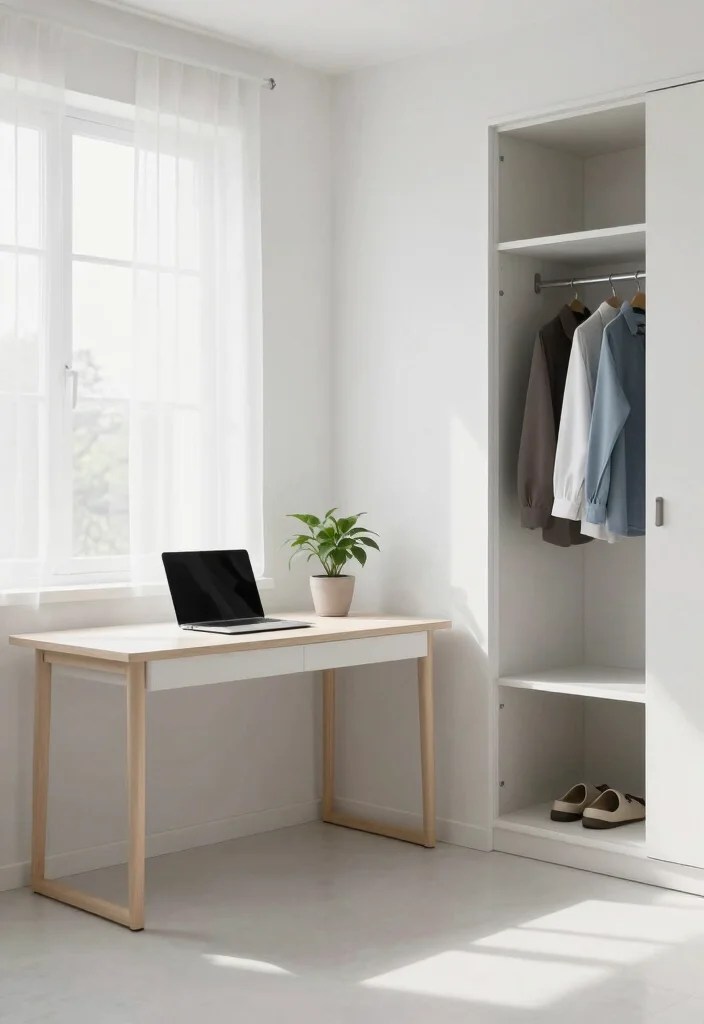
Decluttering serves as the foundation of minimalist home decor, allowing you to foster a tranquil and inviting atmosphere. By removing items that no longer serve a purpose or spark joy, you create space for what truly matters. Imagine a room where every piece feels intentional, enhancing rather than overwhelming your senses.
To effectively declutter, focus on one room at a time and assess each item’s value in your life. Implement the ‘one-year rule’—if you haven’t used it in the past year, it’s likely time to let it go. Donate or recycle items whenever possible, giving them a new lease on life while enhancing your own space.
Consider these decluttering strategies:
– Set a timer for 15-30 minutes to focus on one area.
– Ask if each item brings joy or serves a purpose.
– Use labeled boxes: ‘Keep,’ ‘Donate,’ and ‘Toss’ for organization.
By embracing this process, you’ll uncover the freedom that comes with living with less, transforming your home into a serene oasis.
Start with Decluttering
Editor’s Choice


📹 Related Video: How to Start Decluttering Even When You’re Overwhelmed
2. Emphasize Simple Designs
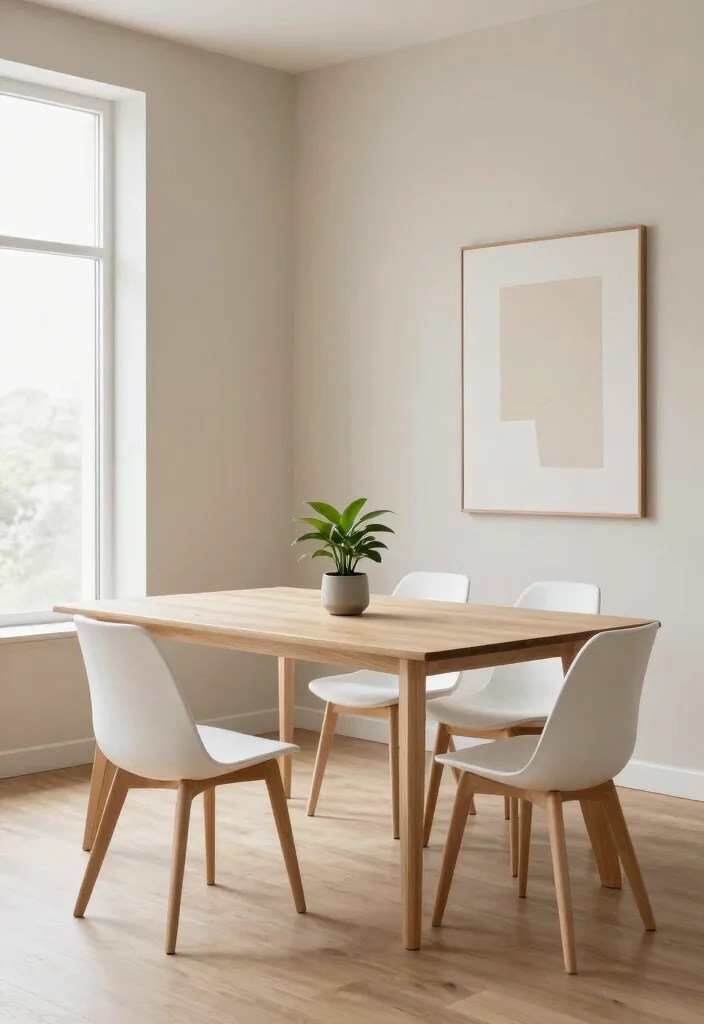
Simple design is at the heart of minimalist decor. Opt for furniture and decor that showcase clean lines and uncluttered forms, creating a peaceful environment. For instance, a sleek coffee table and a low-profile sofa allow your eyes to rest, enhancing the overall tranquility of the space.
When choosing colors, stick to neutral shades like whites, greys, and beiges. While you can introduce subtle pops of color, keep them minimal to maintain a calming atmosphere. This simplicity nurtures a sense of openness and elegance in your home.
Focus on these key elements of simple design:
– Select functional pieces that serve multiple purposes.
– Leave space around furniture to improve flow.
– Incorporate natural materials like wood and stone for warmth.
By prioritizing simplicity, your space will feel more open, inviting, and effortlessly chic.
Emphasize Simple Designs
Editor’s Choice



3. Choose the Right Color Palette
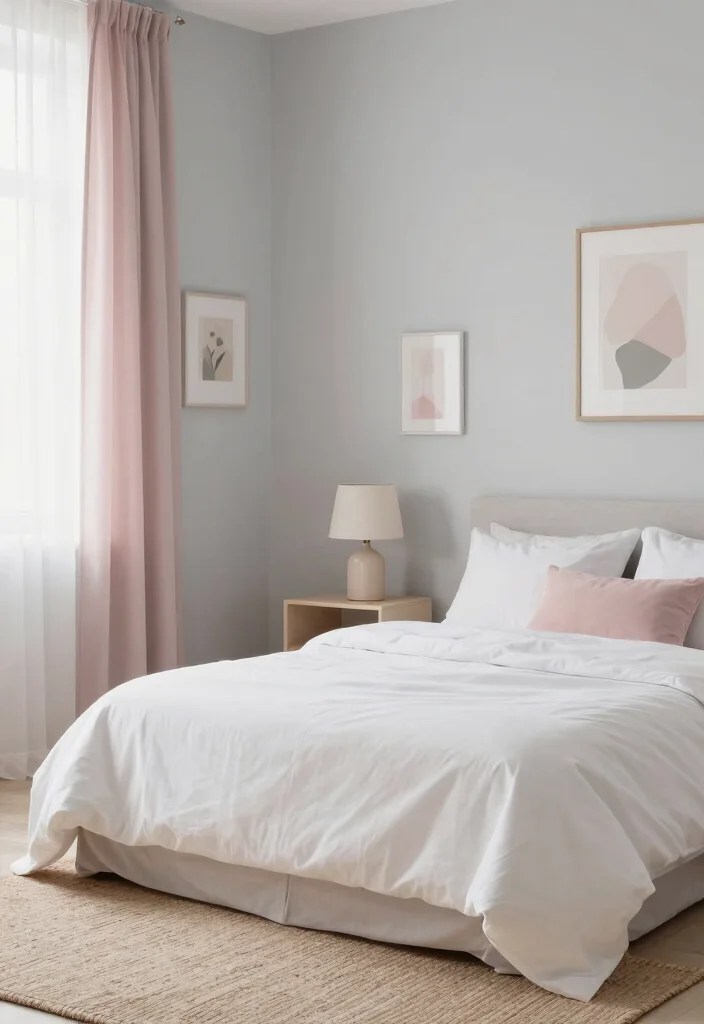
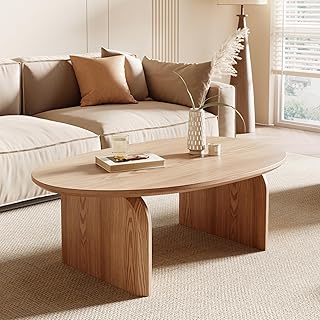
A cohesive color palette is vital for achieving a minimalist look. Stick to a limited color scheme to create harmony and visual continuity throughout your home. Soft neutrals naturally evoke calm, making shades like beige paired with soft white or pale grey perfect choices.
Add one or two accent colors to infuse life into your decor without overwhelming the senses. Consider muted blues or dusty greens that blend beautifully with your neutral backdrop, enhancing the serene feel of your space.
For a balanced color palette, consider:
– Sticking to 3-4 core colors: a primary neutral and one or two accent colors.
– Testing paint samples to see how they look at different times of the day.
– Using accessories to introduce accent colors in small doses.
This thoughtful color selection will uplift your atmosphere and create a calm escape from daily chaos.
Choose the Right Color Palette
Editor’s Choice


4. Invest in Quality over Quantity
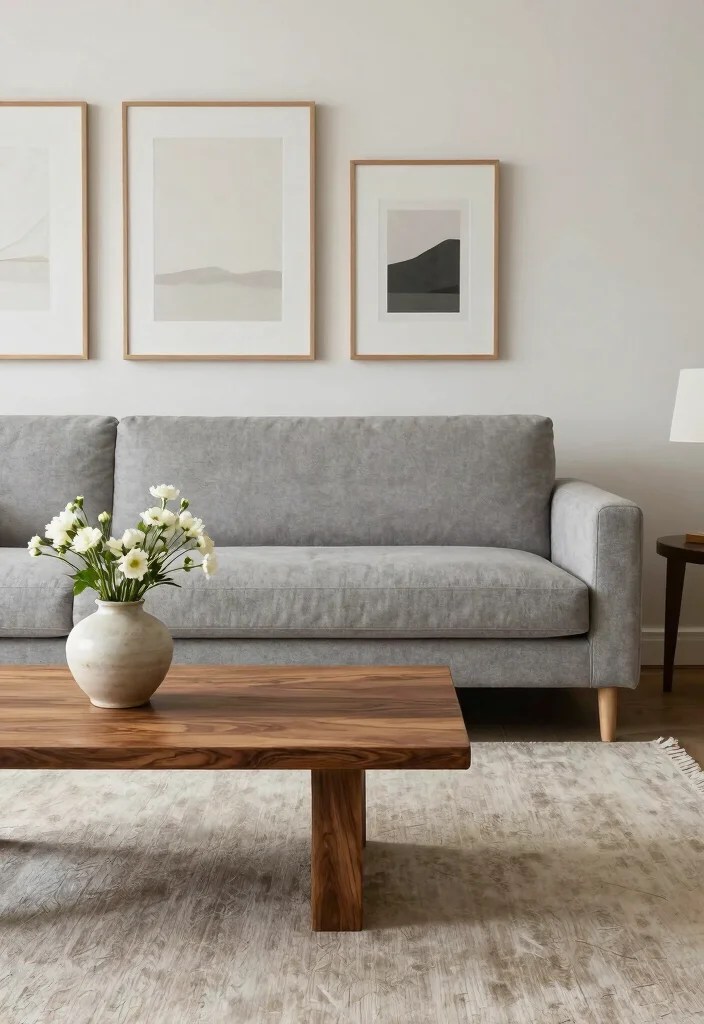
In minimalist decor, the principle of ‘less is more’ rings true. Investing in high-quality items pays off in the long run. Choose furniture and decor that are durable, timeless, and serve multiple functions, ensuring elegance while reducing clutter.
For example, a well-made sofa may require a higher initial investment, but its longevity will save you money over time. Fewer, high-quality items contribute to a refined aesthetic that enhances your home’s appeal.
Considerations for quality investment include:
– Seeking sustainable materials built to last.
– Choosing classic designs that won’t quickly fall out of style.
– Aiming for multifunctional pieces, like an ottoman that offers storage.
By focusing on quality, you create a meaningful environment that resonates with your minimalist lifestyle.
Fun fact: in minimalist home decor, investing in 1 high-quality sofa beats buying 3 budget ones. Invest in quality over quantity—quality lasts 15–20 years, saving money and clutter in the long run.
How to Choose Minimalist Home Decor
When you’re looking to create a minimalist home decor style, the choices you make can greatly impact the overall feel of your space. Minimalism is all about simplicity, functionality, and clarity. To ensure your home embodies this style, consider the following criteria:
1. Size
Choose furniture and decor that fits well within your space. Oversized items can make a room feel cramped, while items that are too small may look out of place. Measure your rooms before making purchases. This way, you can select pieces that complement your layout and don’t overwhelm your environment. Aim for furniture that occupies a balanced amount of space without cluttering the room.
2. Material
Material plays a crucial role in minimalist home decor. Opt for simple, natural materials like wood, metal, glass, and stone. These materials not only look clean but also add a warm, inviting touch to your space. Avoid overly ornate or synthetic materials, which can detract from the minimalist aesthetic. Materials should feel authentic and enhance the simplicity of your decor.
3. Features
Look for decor items that serve a dual purpose. For example, a stylish coffee table can also provide storage space. Multi-functional pieces reduce clutter and enhance functionality, key elements of minimalist design. Seek out items that are both beautiful and practical, ensuring they contribute to the overall simplicity of your home.
4. Budget
Minimalism doesn’t mean you have to break the bank. Set a realistic budget before you start shopping. Invest in a few high-quality pieces rather than filling your space with inexpensive items that may not last. Consider shopping at second-hand stores or online marketplaces. You can often find hidden gems that fit the minimalist style while saving money.
5. Color Palette
Choose a neutral color palette that promotes calmness and simplicity. Whites, greys, and earthy tones create a serene backdrop for your decor. Limit bold colors to accents that can easily be changed, like pillows or art. By sticking to a cohesive palette, you make your space feel harmonious and uncluttered.
6. Functionality
Ensure that everything you choose serves a purpose. Clutter can quickly accumulate if items don’t have a practical use. Focus on utility and simplicity. For instance, a sleek bookshelf can showcase your favorite books while being a decorative element.
Pro Tip: Keep a list of what you need and stick to it when shopping. This helps you avoid impulse buys that can lead to clutter. Focus on quality and function over quantity. Your minimalist space will feel more intentional and relaxed this way. Remember, each item should tell a story or serve a purpose. Happy decorating!
.guide-card{margin:25px 0;padding:24px;background:#f8f9fa;border-radius:12px;border:2px solid #e0e0e0;box-shadow:0 2px 8px rgba(0,0,0,0.06)}.guide-card h2{font-size:22px;font-weight:700;color:#1a1a1a;margin:0 0 16px 0;line-height:1.3;border-bottom:2px solid #333;padding-bottom:8px}.guide-card strong{color:#2d2d2d;font-weight:600}.guide-card ul,.guide-card ol{margin:12px 0;padding-left:24px}.guide-card li{margin:8px 0;color:#4a4a4a;line-height:1.6}.guide-card p{color:#4a4a4a;line-height:1.7;margin:10px 0}@media(max-width:768px){.guide-card{padding:20px;margin:20px 0}.guide-card h2{font-size:20px}}@media(max-width:480px){.guide-card{padding:16px;margin:16px 0}.guide-card h2{font-size:18px}}
5. Focus on Functionality

Functionality is a core principle of minimalist decor. Every item should serve a purpose and enhance your living experience. Begin with essential areas like the kitchen and living room, where you can choose decor that doubles as storage or seating.
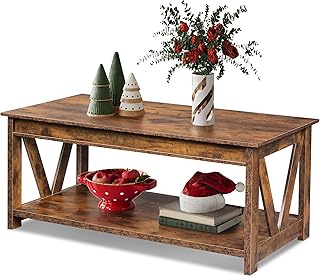
For example, select a coffee table with built-in storage or an ottoman that serves as both seating and a blanket holder. These thoughtful choices ensure your space remains practical and uncluttered.
Consider these functional decor ideas:
– Use wall-mounted shelves to save space and organize items.
– Choose collapsible furniture to maximize room when needed.
– Invest in multifunctional kitchen appliances to minimize countertop clutter.
By prioritizing functionality, you create a space that is both practical and visually appealing.
In minimalist home decor, living isn’t about stripping life—it’s about adding function. Every piece should earn its keep, like a coffee table with storage or an ottoman that hides blankets. Focus on practical choices and your space stays calm and inviting.
6. Use Natural Elements

Incorporating natural elements into your minimalist home enriches its serene ambiance. Materials like wood, stone, and plants bring warmth and life, creating a more inviting atmosphere. Wooden furniture adds rustic charm that beautifully contrasts with the clean lines of minimalist design.
Don’t forget to add plants for a touch of nature; they improve air quality while adding visual interest. Simple pots can hold indoor plants like snake plants or succulents, providing a pop of greenery without overwhelming your decor.
Ideas for integrating natural elements include:
– Choosing wooden furniture pieces for warmth.
– Using stone accents, like a marble coffee table.
– Placing indoor plants in simple pots to enhance the space.
These elements help establish a connection to nature, making your home feel more inviting and alive.
Use Natural Elements
Editor’s Choice


7. Prioritize Lighting
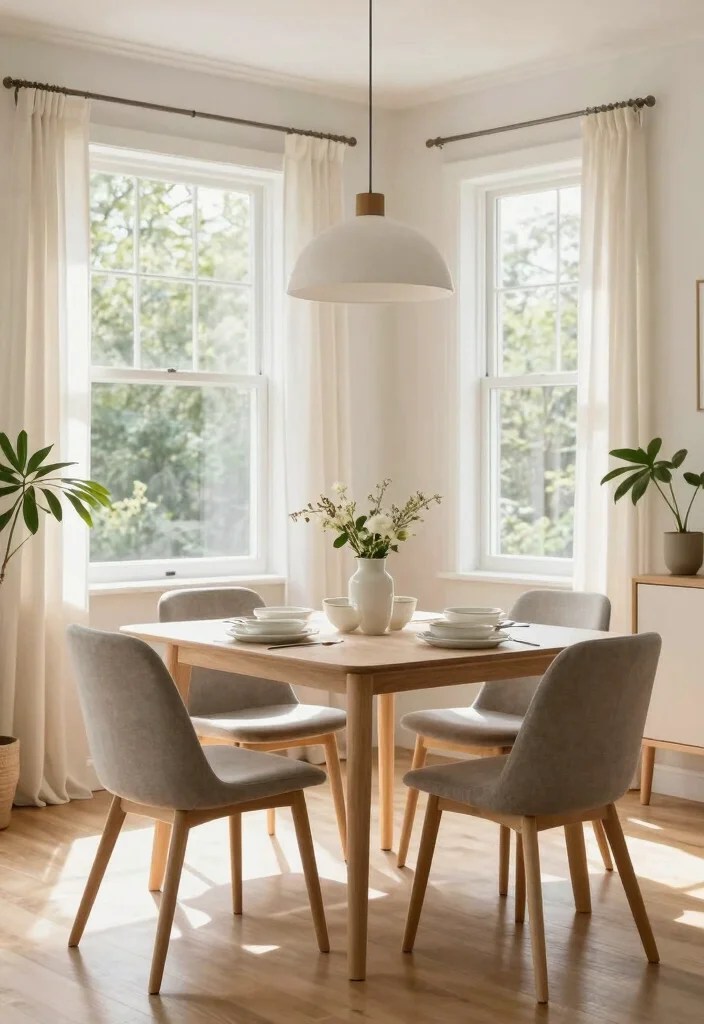
Lighting significantly affects the mood of your minimalist space. To maximize natural light, keep windows clear and choose light, airy curtains. Layer your lighting sources by combining ambient fixtures with task lighting like table lamps or under-cabinet lights in the kitchen.
Select lighting fixtures that align with your minimalist aesthetic—simple, streamlined designs work best. Using dimmers on overhead lights can help create a cozy atmosphere when desired.
Here are some lighting tips:
– Choose fixtures that complement your decor style.
– Incorporate floor lamps to add warmth and height variation.
– Use dimmers to adjust lighting for different moods.
Proper lighting not only enhances your home’s aesthetics but also creates an inviting environment that adapts to your needs.
Fun fact: Layering ambient lighting with task lights can make a minimalist space feel up to 40% brighter using the same daylight. Dimmers on overheads let you switch from bright focus to cozy vibes in seconds. Simple, streamlined fixtures keep your minimalist home decor calm and luminous.
8. Create Zones
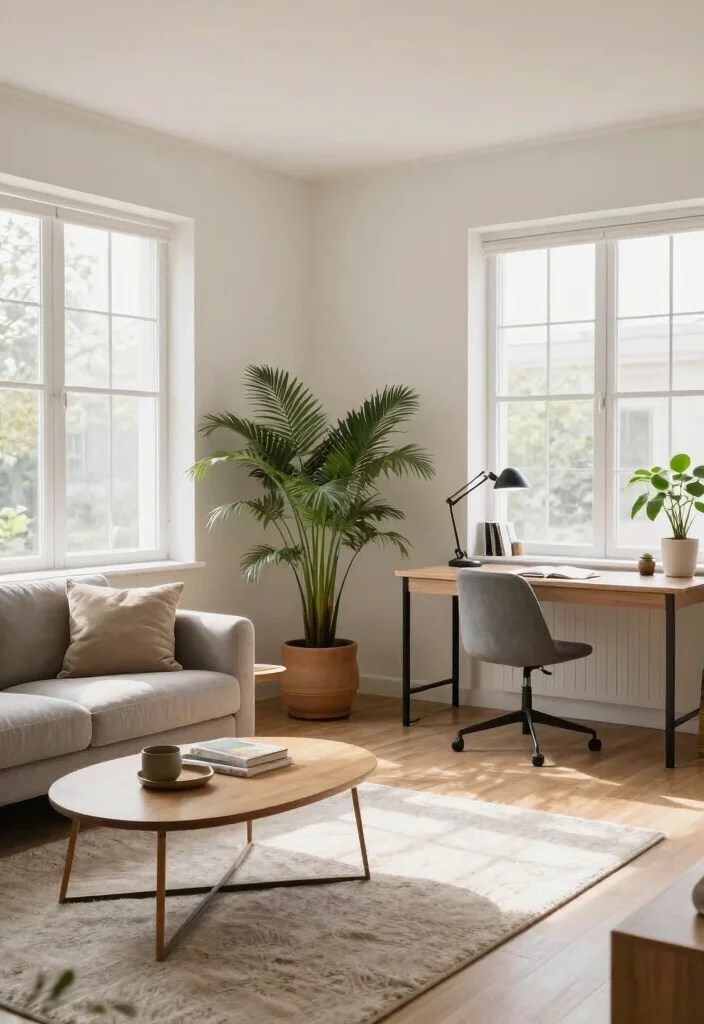
Defining distinct zones in open spaces enhances functionality while preserving a minimalist aesthetic. Organize each area based on its purpose, whether it’s a reading nook, workspace, or relaxation zone. This can be achieved through strategic furniture arrangements, area rugs, or varying lighting styles.
For example, a cozy chair paired with a small side table can create a reading nook, while a desk and lamp can delineate a workspace. You don’t need physical barriers to establish these zones.
Try these zoning ideas:
– Use rugs to visually separate areas; a patterned rug can define a seating zone.
– Incorporate bookshelves or plants as natural dividers.
– Position furniture to encourage flow between zones.
Effective zoning allows for optimal space usage while keeping each area uncluttered and purposeful.
9. Keep Accessories Minimal
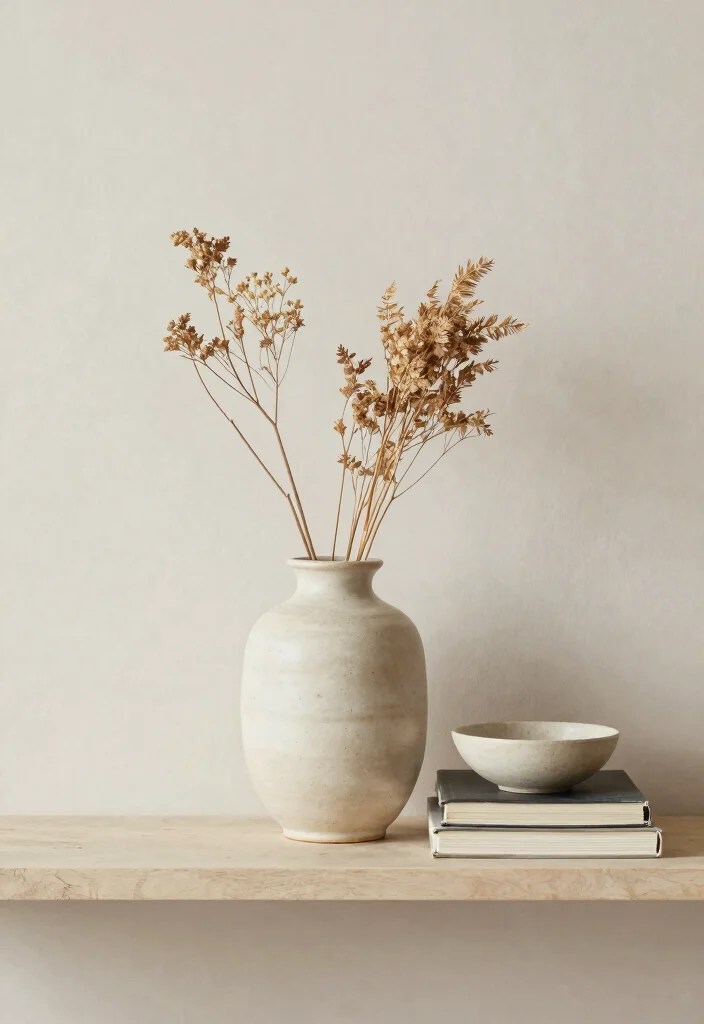
Accessorizing is an important aspect of home decor, but with a minimalist approach, less is truly more. Limit your accessories to a few meaningful pieces that reflect your personality and resonate with you. Instead of overcrowding surfaces, focus on standout items that add character without clutter.
For instance, a single statement vase or a carefully curated piece of art can serve as a focal point. These choices maintain an intentional look throughout your home.
Consider these accessory tips:
– Use one large piece of art instead of a gallery wall.
– Select items with different textures to add depth.
– Choose functional accessories, like a decorative bowl for keys.
This curated approach keeps your space looking intentional and allows the beauty of simplicity to shine.
10. Maintain Your Space
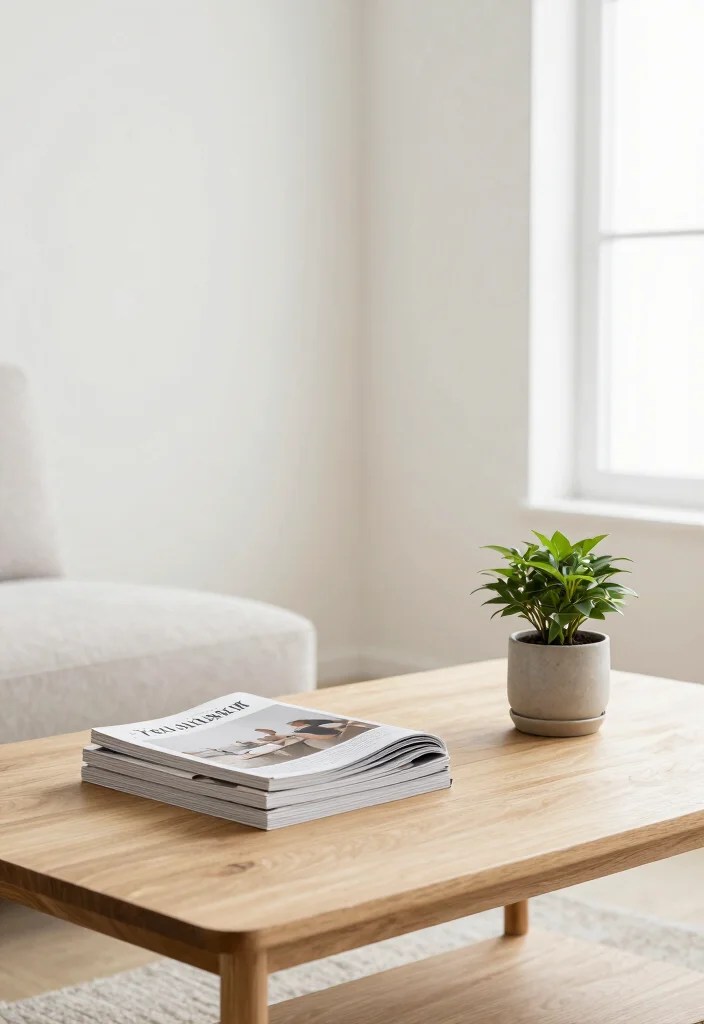
After transforming your space with minimalist decor, maintaining it is essential. Regularly evaluate items to ensure they continue to serve a purpose in your life. Establish cleaning habits that prioritize transparency and organization, creating a serene atmosphere.
Try adopting a ‘one in, one out’ rule: for every new item, consider letting go of another. This habit helps prevent clutter from accumulating over time.
Maintenance tips include:
– Schedule monthly reviews of your space to declutter.
– Make it a habit to return items to their designated spots.
– Be mindful when purchasing new items and their impact.
With commitment and a little effort, your tranquil minimalist home can remain a sanctuary for years to come.
Maintain Your Space
Editor’s Choice


Conclusion
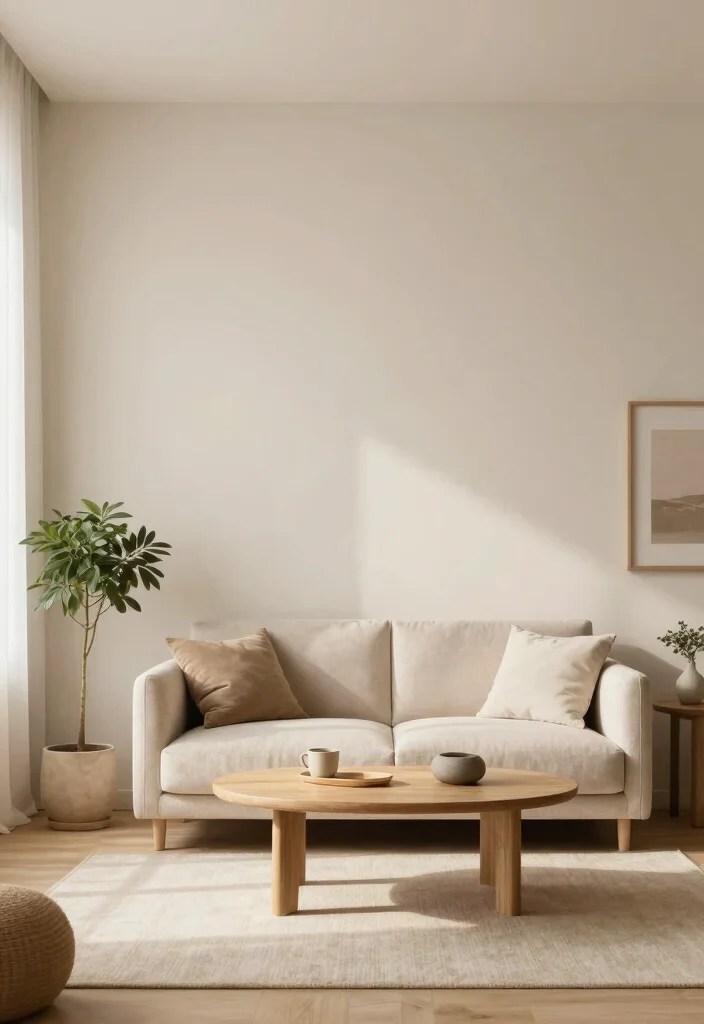
Transforming your space with minimalist home decor not only enhances its beauty but also brings peace and tranquility into your life.
By following these ten steps, you can create a serene environment that reflects your values and lifestyle.
Remember, minimalism is not just about having less; it’s about making room for what truly matters.
Note: We aim to provide accurate product links, but some may occasionally expire or become unavailable. If this happens, please search directly on Amazon for the product or a suitable alternative.
This post contains Amazon affiliate links, meaning we may earn a small commission if you purchase through our links, at no extra cost to you.
Frequently Asked Questions
What is minimalist home decor and how do I begin transforming my space?
Minimalist home decor is about simplicity, function, and breathing space. To begin, do a quick room declutter to see what you truly use and love.
Pick a calm color palette—neutrals like ivory, gray, or taupe—and choose a few high-quality, versatile pieces rather than lots of accessories. Invest in furniture that serves multiple purposes and keep surfaces clear for a sense of openness. Finally, make recurring decluttering a habit to sustain the calm look of minimalist home decor.
How can I declutter effectively without sacrificing function in a minimalist space?
Decluttering in a minimalist space starts with a clear goal: reduce clutter, not reduce comfort.
Step 1: sort items by room and function, then decide what to keep, donate, sell, or trash.
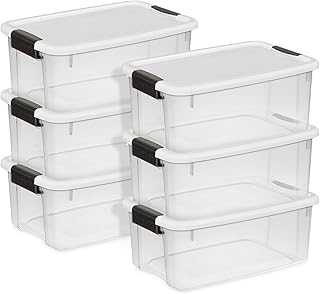
Step 2: use smart storage solutions (baskets, hidden cabinets) to hide non-essentials while keeping surfaces clean.
Step 3: tackle digital clutter (old photos, files) to free physical space.
Step 4: establish a simple daily habit—return items to their places to maintain minimalist home decor vibes and prevent buildup of clutter.
What are the essential principles of simple design in minimalist home decor?
Key principles include clean lines, negative space, and a cohesive color palette.
Prioritize function over decoration—select a few essentials with timeless design rather than many trendy pieces.
Texture and light are your friends: incorporate natural materials and layered lighting to add warmth without clutter.
Always test scale and proportion so each item supports the room’s flow, and commit to declutter regularly to maintain true simple design.
How do I choose furniture and accessories that fit minimalist home decor?
Start with measurements of each room to guide furniture size. Choose pieces with clean lines and minimal hardware. Prefer multifunctional items (storage ottomans, wall-mounted desks) to keep floors clear. Limit decorative items to 1–3 per area and lean on texture and lighting for interest. Select a neutral color palette with a few natural materials (wood, stone, linen) to stay cohesive with minimalist home decor.
How can I keep a minimalist space warm and inviting without losing the clean look?
Warmth comes from texture and light, not color saturation. Use layered lighting (ambient, task, accent) with warm bulbs. Introduce natural textures like wood, wool, jute, or linen to add coziness. Add a few well-chosen plants and soft textiles (throw, rug) for comfort while keeping clutter in check. Personalize with a single meaningful artwork rather than many pieces to maintain the calm feel of minimalist home decor.
Related Topics
minimalist home decor
simple design
declutter
home organization
modern minimalism
beginner friendly
space transformation
functional design
budget friendly
easy updates
calm aesthetics
small living spaces
 BECAUSE IT'S ALWAYS
Leave a comment