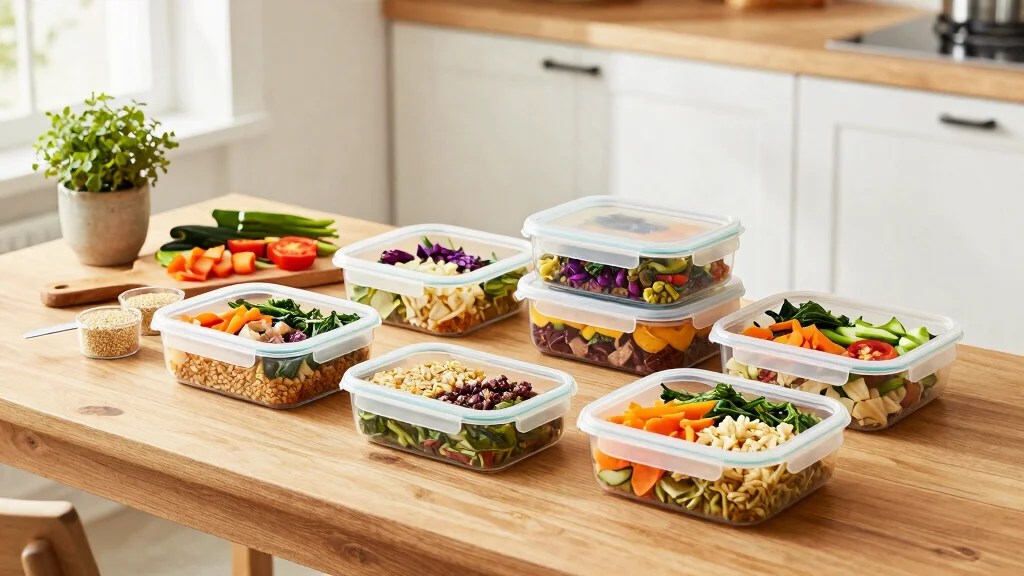
Creating healthy meal prep plans has become a game-changer for many people looking to eat better without the daily hassle of cooking. With our busy lives, the challenge of preparing nutritious meals can feel overwhelming. That’s why I put together this guide. It’s designed to help you navigate the world of wholesome ingredients and meal prep strategies so you can enjoy delicious, healthy meals every day.
If you care about your diet and want to make healthy choices without stress, you’re in the right place. Whether you’re a busy parent, a student, or just someone trying to eat better, this guide will speak to you. I’ve gathered tips and recipes that are not only nutritious but also quick and easy to prepare. You’ll discover how to plan, cook, and store your meals efficiently, while keeping them flavorful and satisfying.
By the end of this guide, you will have a solid foundation for creating healthy meal prep plans that suit your lifestyle. You’ll learn the importance of choosing wholesome ingredients, batch cooking, and keeping meals varied and fun. Plus, you’ll find creative lunch and snack ideas that won’t leave you feeling deprived. Let’s dive in and make your meal prep journey enjoyable and rewarding!
Key Takeaways
– Start with a solid plan: Outline your meals for the week to save time and ensure nutritional balance.
– Choose wholesome ingredients: Focus on fresh fruits, vegetables, lean proteins, and whole grains for a balanced diet.
– Batch cooking: Prepare large quantities of meals to reduce cooking time during the week and minimize food waste.
– Easy storage solutions: Invest in good-quality containers to keep your meals fresh and organized.
– Mix and match for variety: Create versatile meals that can be easily altered with different ingredients, ensuring you never get bored.
Contents
- 1. Start With a Solid Plan
- 2. Choose Wholesome Ingredients
- 3. Batch Cooking: The Key to Efficiency
- 4. Easy Storage Solutions
- 5. Flavor Boosters and Seasonings
- 6. Keep It Balanced: Macronutrient Monitoring
- 7. Portion Control and Mindfulness
- 8. Mix and Match for Variety
- 9. Creative Lunch and Snack Ideas
- 10. Reflect and Adjust
1. Start With a Solid Plan
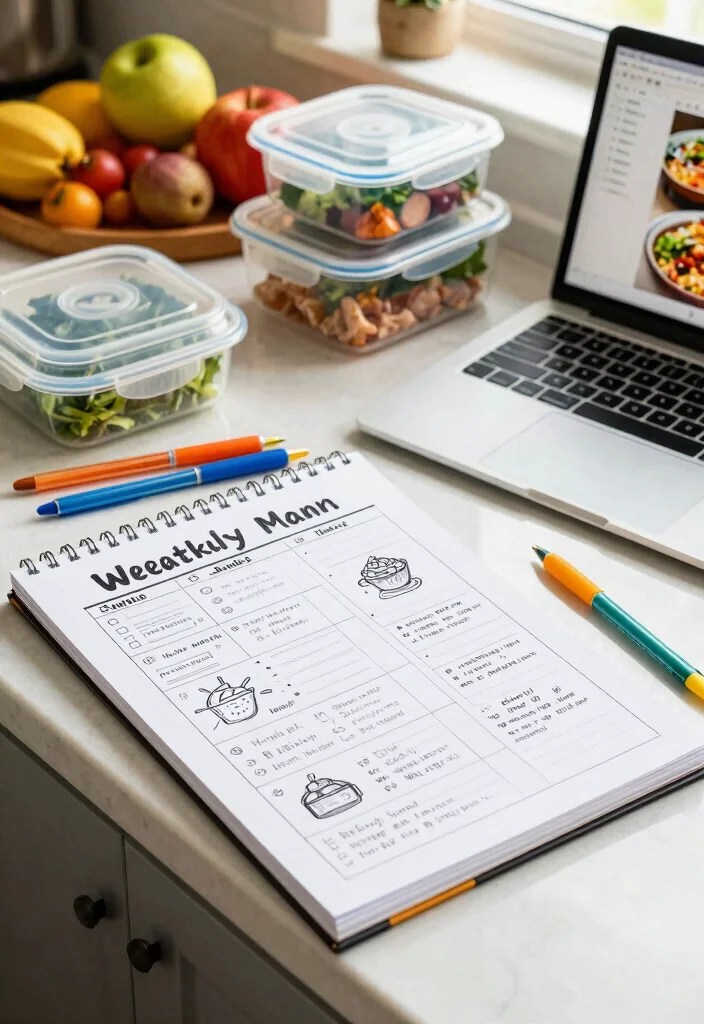
Ready to dive into meal prep but unsure where to start? A solid plan can be your best friend in navigating this journey. By identifying your dietary goals and preferred meals, you set yourself up for a week of satisfaction and variety.
Creating a weekly menu not only helps you visualize your meals but also makes grocery shopping a breeze. Choose one day a week for cooking—just a few hours can lead to delicious results! Here are some tips:
– Select recipes that use overlapping ingredients for less waste.
– Keep things simple and rotate your favorites.
– Use seasonal produce to enhance flavors and freshness.
Invest some time in exploring wholesome recipes that inspire you. Remember, it’s all about what feels good for your body, so adjust your plan as you go!
Fun fact: a solid meal-prep plan reduces weekly grocery waste by up to 30% and saves hours. Start with a simple weekly menu, then batch-cook on one day—your delicious, healthy meal prep becomes effortless and consistently satisfying.
2. Choose Wholesome Ingredients
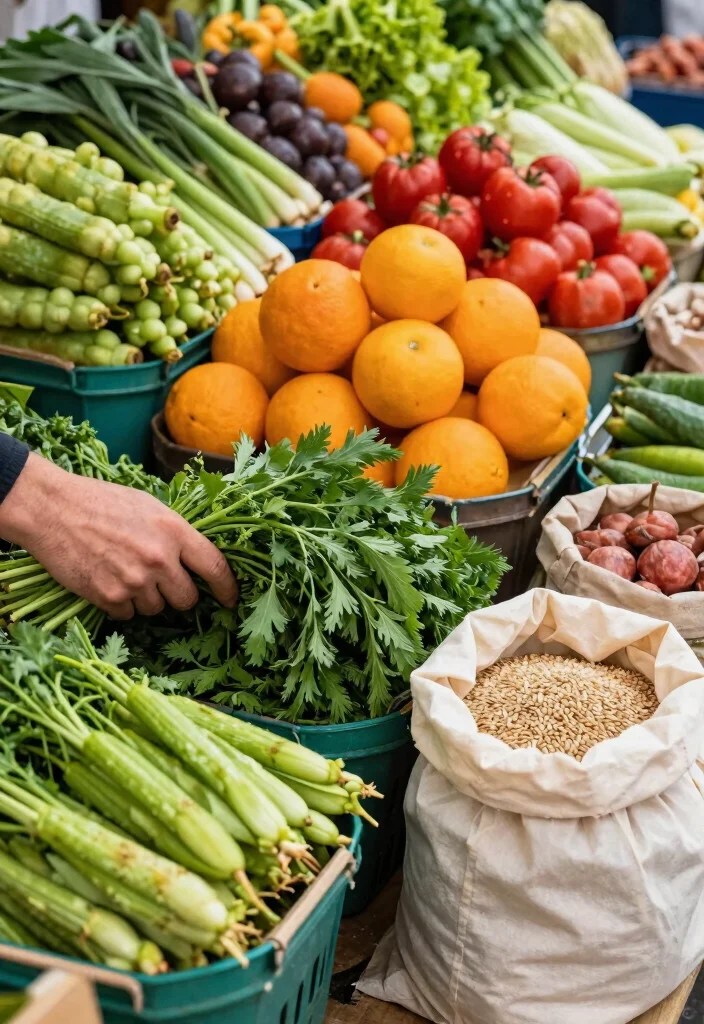
Looking to elevate your meal prep? The secret lies in choosing the right ingredients. Opt for fresh, colorful fruits and vegetables, whole grains, and lean proteins to create meals that are both delicious and nutritious.
Seasonal produce is often fresher and tastier, while grains like quinoa and brown rice provide great texture and nutrients. Lean proteins such as chicken, fish, and legumes keep your meals satisfying and packed with essential nutrients.
Here are some wholesome ingredients to consider:
– Vegetables: Spinach, bell peppers, carrots, broccoli, and zucchini.
– Proteins: Chicken breast, tofu, chickpeas, and eggs.
– Grains: Quinoa, brown rice, sweet potatoes, and oats.
– Healthy Fats: Avocado, nuts, and olive oil.
Explore local markets for fresh options and don’t hesitate to try new ingredients. Variety not only excites your palate but also boosts your nutrition.
Choose Wholesome Ingredients
Editor’s Choice



3. Batch Cooking: The Key to Efficiency
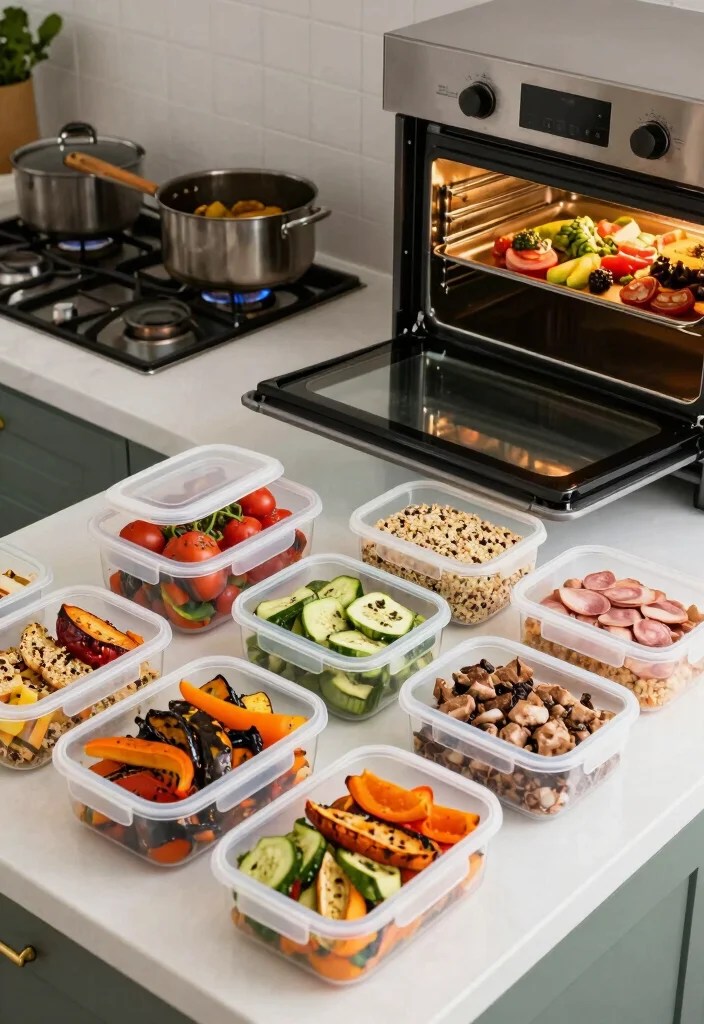
Batch cooking can transform your meal prep game! Imagine opening your fridge to find a week’s worth of ready-to-eat meals waiting to be reheated. It’s a fantastic way to save time and effort during your busy week.
Focus on cooking staple items like grains, proteins, and roasted veggies. For instance, a big batch of quinoa can be the base for salads, bowls, or stuffed peppers throughout the week. Here are some effective batch cooking strategies:
– Cook Once, Eat Twice: Make double the amount of your favorite meals and freeze the extras.
– Invest in Quality Containers: Airtight containers keep your food fresh longer.
– Label Everything: Mark your containers with dates and contents to avoid any confusion.
This method ensures you always have healthy meals on hand, making it easier to stick to your dietary goals.
Batch Cooking: The Key to Efficiency
Editor’s Choice


📹 Related Video: Cheap And Healthy Meals For The Week, Done In 1 Hour
4. Easy Storage Solutions
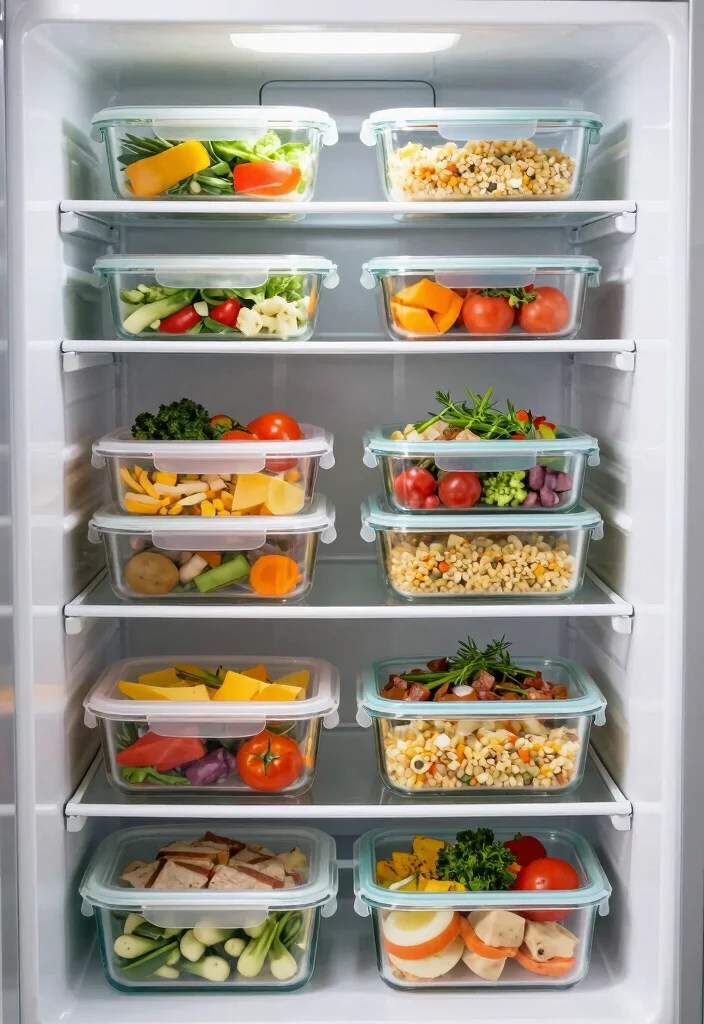
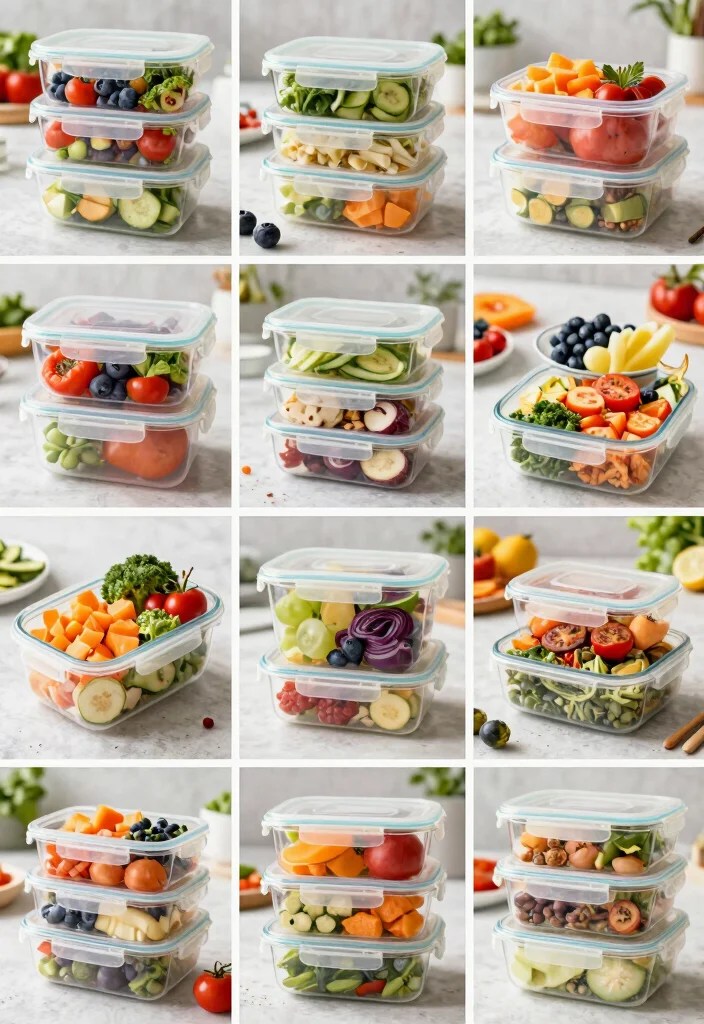
Storing your meal preps properly is vital for keeping flavors fresh. Choosing the right containers can make a significant difference. Glass containers are excellent for their durability and ability to keep food fresh while being microwave and oven safe.
Portioning meals into single servings makes grab-and-go options easy. Invest in various sizes to suit different meal types. Here are some storage tips to maximize freshness:
– Cool Down Before Storing: Let cooked food cool before sealing to avoid moisture buildup.
– Separate Sauces and Ingredients: Keep dressings in separate containers to maintain texture.
– Use Clear Containers: These make it easy to see what you have and prevent forgotten meals.
Organizing your fridge with clear containers not only looks great but also makes choosing a healthy meal effortless.
@media (max-width: 600px) {
.normal-quiz-iframe { min-height: 570px !important; height: 570px !important; }
}
How To Choose Wholesome Ingredients for Healthy Meal Prep
Choosing the right ingredients is essential for successful healthy meal prep. The ingredients you select can impact both the nutrition and flavor of your meals. Here’s how to pick wholesome ingredients that elevate your meal prep game:
1. Freshness Matters
Always opt for the freshest ingredients available. Fresh produce not only tastes better, but it also provides more nutrients. Visit local farmers’ markets or grocery stores that prioritize fresh, seasonal fruits and vegetables. When shopping, look for vibrant colors and firm textures to ensure you’re getting the best quality.
2. Prioritize Whole Foods
Whole foods are minimally processed and packed with nutrients. Choose items like whole grains, lean proteins, fresh vegetables, and fruits. Avoid products with long ingredient lists or those containing artificial additives. For instance, instead of white rice, go for quinoa or brown rice for added fiber and nutrients.
3. Check for Nutritional Value
Before putting anything in your cart, glance at the nutritional labels. Aim for ingredients high in fiber, vitamins, and minerals, while being low in added sugars and unhealthy fats. For example, canned beans can be a great protein source, but opt for those with no added sugar or sodium for the healthiest choice.
4. Think About Versatility
Select ingredients that can be used in multiple recipes. This saves time and reduces waste. Foods like chicken breast, broccoli, and sweet potatoes can be cooked in various ways and combined with different spices, allowing for diverse meals. By planning meals around versatile ingredients, you’re more likely to enjoy your meals throughout the week.
5. Seasonal Shopping
Buying ingredients in season not only supports local farmers but also ensures better flavor and lower costs. Seasonal produce tends to be fresher and more nutritious. For example, summer offers an abundance of tomatoes and zucchini, while fall brings pumpkins and kale. Check local guides to know what’s currently in season in your area.
6. Focus on Protein Sources
Incorporating quality protein into your meal prep is crucial for maintaining energy levels and building muscle. Options include chicken, fish, legumes, tofu, and nuts. When selecting protein sources, look for lean cuts of meat and sustainable seafood options to enhance your meal’s nutritional profile.
Pro Tip: Consider creating a shopping list before heading to the store. This helps keep you focused on purchasing the wholesome ingredients you need, while also avoiding impulse buys. Stick to your list and make adjustments based on what’s fresh and in season to keep your meals exciting and nutritious!
By choosing wholesome ingredients, you set the stage for delicious and nutritious meals. Every meal prep session becomes an opportunity to experiment with flavors and ensure a balanced diet. Happy cooking!
.guide-card{margin:25px 0;padding:24px;background:#f8f9fa;border-radius:12px;border:2px solid #e0e0e0;box-shadow:0 2px 8px rgba(0,0,0,0.06)}.guide-card h2{font-size:22px;font-weight:700;color:#1a1a1a;margin:0 0 16px 0;line-height:1.3;border-bottom:2px solid #333;padding-bottom:8px}.guide-card strong{color:#2d2d2d;font-weight:600}.guide-card ul,.guide-card ol{margin:12px 0;padding-left:24px}.guide-card li{margin:8px 0;color:#4a4a4a;line-height:1.6}.guide-card p{color:#4a4a4a;line-height:1.7;margin:10px 0}@media(max-width:768px){.guide-card{padding:20px;margin:20px 0}.guide-card h2{font-size:20px}}@media(max-width:480px){.guide-card{padding:16px;margin:16px 0}.guide-card h2{font-size:18px}}
5. Flavor Boosters and Seasonings
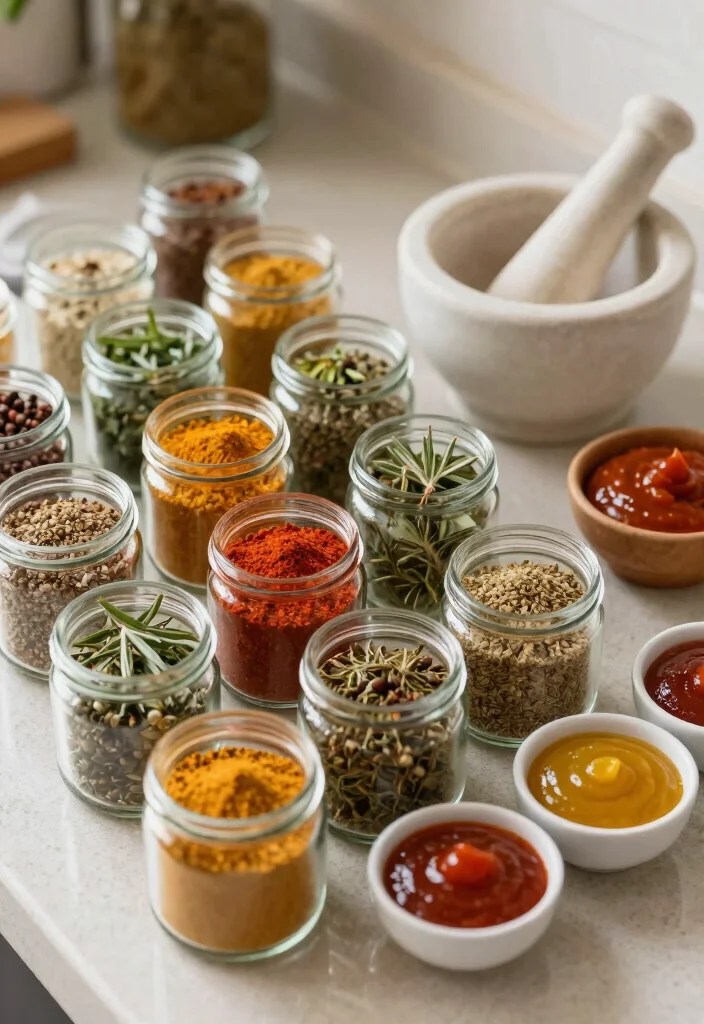
Are your meals lacking excitement? Spice things up with flavor boosters! Fresh herbs, spices, and healthy sauces can elevate your dishes without adding unnecessary calories or unhealthy ingredients.
Herbs like basil and cilantro add freshness, while spices such as cumin and paprika bring depth to your meals. Healthy sauces like homemade vinaigrettes or salsas can drizzle over your creations for an extra kick.
Consider these flavor boosters:
– Spices: Cumin, paprika, garlic powder, and chili flakes.
– Herbs: Basil, thyme, rosemary, and cilantro.
– Healthy sauces: Tahini dressing, yogurt-based dips, and homemade salsa.
Experiment with different combinations to discover what tantalizes your taste buds. A well-stocked spice rack can keep your meal prep exciting throughout the week!
6. Keep It Balanced: Macronutrient Monitoring
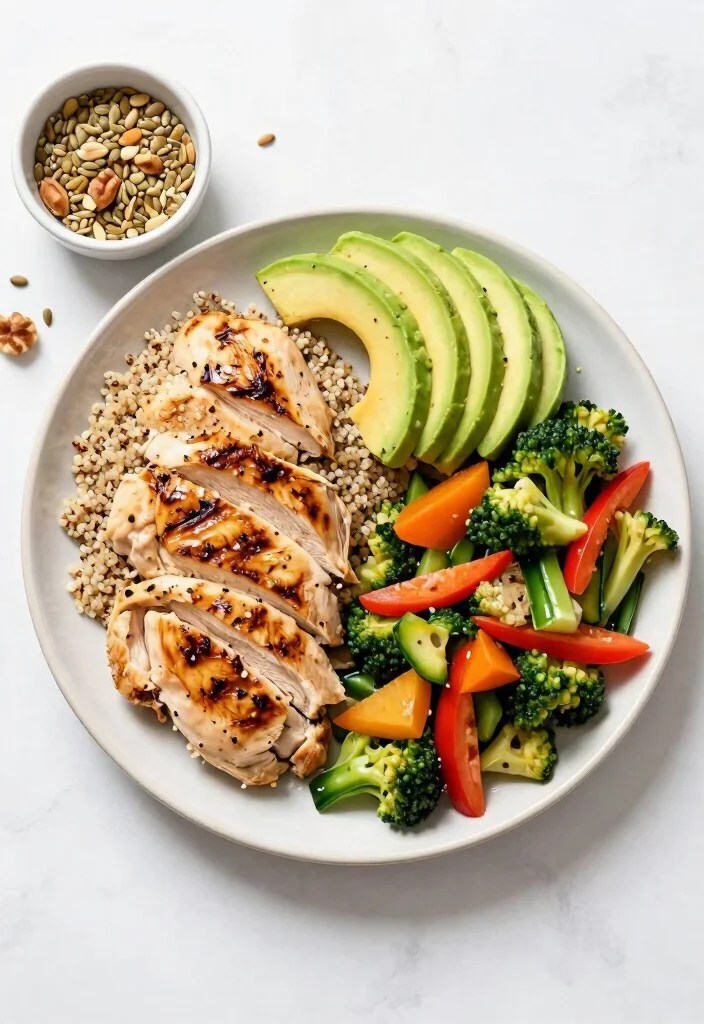
When prepping meals, balancing your macronutrients is crucial for energy and satisfaction. Aim for a combination of carbohydrates, proteins, and fats in each meal to meet your body’s needs.
A balanced plate might include quinoa (carbs), grilled chicken (protein), and avocado (healthy fats). Here are some tips for achieving that perfect macro balance:
– Build Your Plate: Fill half of your plate with vegetables, a quarter with protein, and a quarter with whole grains.
– Try Different Proteins: Incorporate plant-based options like lentils and chickpeas for variety.
– Include Healthy Fats: Add nuts, seeds, and olive oil for satiety.
By monitoring your macronutrients, you can ensure your meal prep is both healthy and enjoyable.
Keep It Balanced: Macronutrient Monitoring
Editor’s Choice



7. Portion Control and Mindfulness
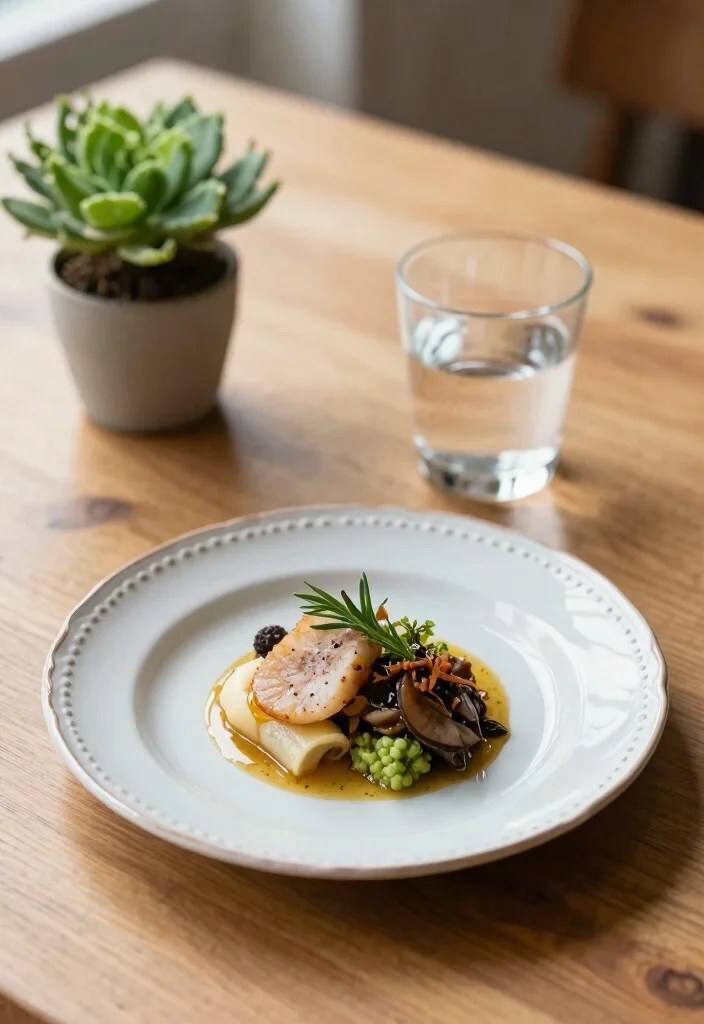
Meal prep is a fantastic opportunity to practice portion control and mindfulness. Pre-portioned meals help you avoid overeating and encourage conscious food choices. Keeping meals in designated portions also aids in calorie tracking.
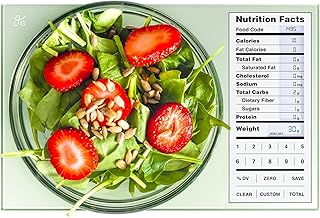
To make portioning easier, consider using a food scale or measuring cups. Here are some mindful eating tips to enhance your meal prep experience:
– Listen to Your Body: Tune into your hunger cues and stop when satisfied.
– Savor Each Bite: Take your time enjoying flavors and textures.
– Avoid Distractions: Eating in front of screens can take away from the meal experience.
Practicing mindfulness with your meals fosters a healthier relationship with food and promotes better eating habits.
Portion Control and Mindfulness
Editor’s Choice



8. Mix and Match for Variety
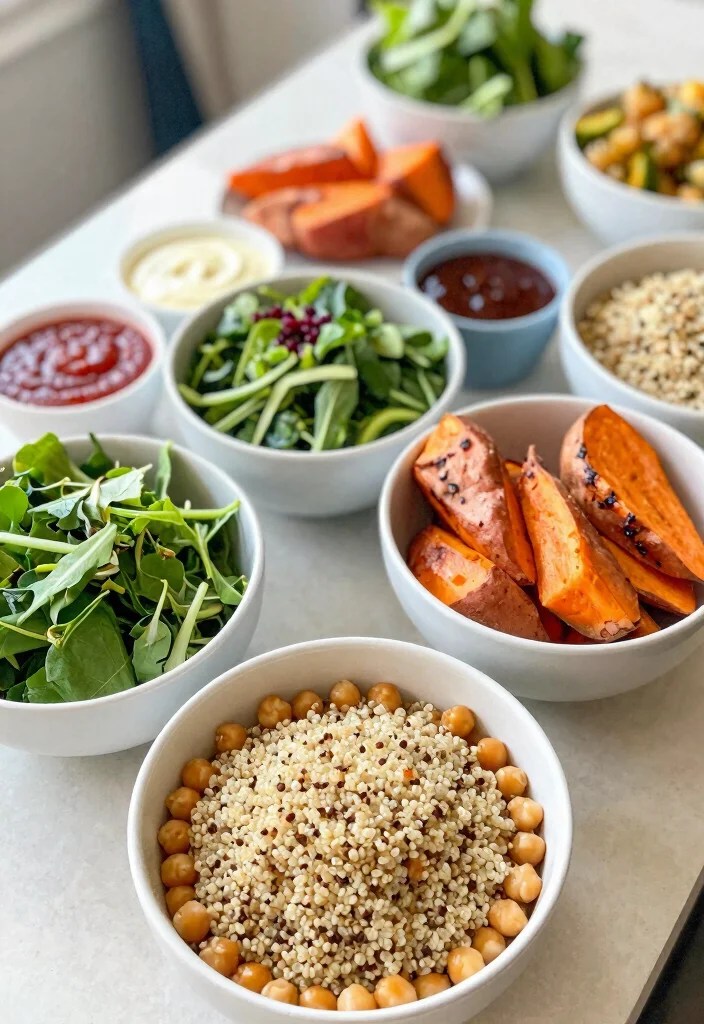
Tired of the same meals every week? Variety is the key to keeping meal prep exciting! Eating the same thing can lead to boredom, tempting you to stray from healthy habits. Mixing and matching ingredients can add a spark to your meal prep routine.
Create a base meal that you can customize throughout the week. For example, start with brown rice and top it with different proteins, veggies, and sauces for diverse meals. Here are some ideas for mixing and matching:
– Base: Quinoa, rice, or greens.
– Protein: Chicken, tofu, beans, or fish.
– Veggies: Roasted, steamed, or fresh.
– Sauce: Pesto, vinaigrette, or tahini.
This flexibility means you can enjoy various flavors without needing to prepare entirely new meals. Experiment to discover new combinations you love!
9. Creative Lunch and Snack Ideas
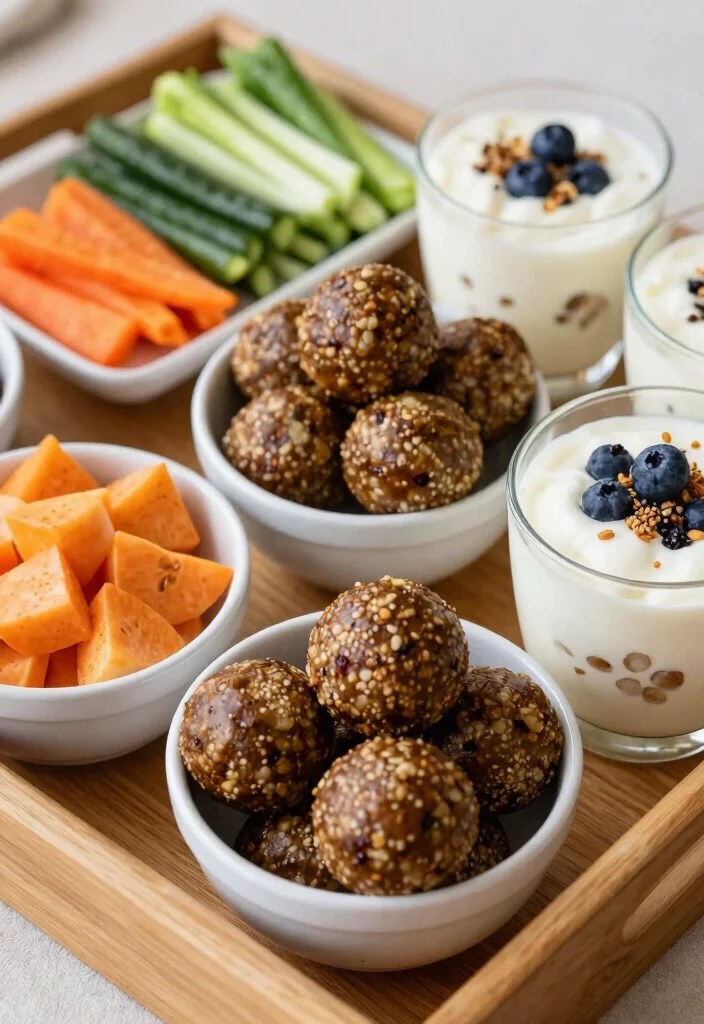
Don’t overlook lunches and snacks when planning your meals! Healthy snacking maintains your energy levels and helps you avoid unhealthy alternatives. Incorporating nutritious snacks into your meal prep ensures you stay on track with your healthy eating goals.
Think outside the box and consider options like homemade energy balls, veggie sticks with hummus, or yogurt parfaits. Here are some creative ideas:
– Energy Balls: A mix of oats, nut butter, and honey rolled into bite-sized snacks.
– Veggie Sticks: Carrots, cucumbers, and bell peppers paired with a tasty dip.
– Fruit Parfaits: Layered yogurt, granola, and fresh fruit for a sweet treat.
Prep these snacks ahead of time for easy access during busy days. Having nutritious options available can make a significant difference in maintaining a healthy lifestyle.
❝ Don’t underestimate healthy meal prep—smart snacks keep your energy high and cravings low. When you stash veggie sticks with hummus or yogurt parfaits, you turn quick bites into reliable fuel you can actually stick to. ❞
10. Reflect and Adjust
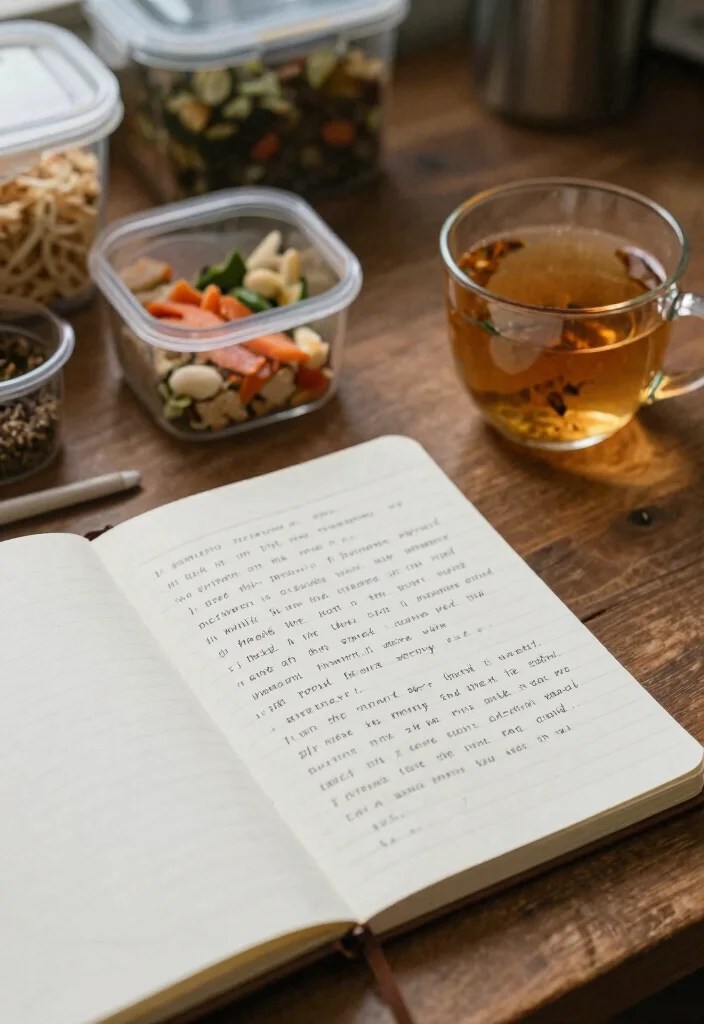
After a week of meal prepping, take a moment to reflect on your experience. This practice is essential for refining your meal prep routine. Maybe some meals were hits while others fell flat. Understanding your preferences can inform your future plans.
Ask yourself:
– What meals did I enjoy the most?
– Were there any ingredients that went to waste?
– Did I stick to my plan, or did I stray?
Being open to making adjustments ensures that your meal prep remains enjoyable and effective. Each week brings a new opportunity for improvement!
Reflection makes healthy meal prep practical, not perfect. After a week, ask what you enjoyed most, what wasted ingredients you could avoid, and where your plan slipped. Then adjust your next plan to keep meals delicious, nutritious, and doable.
Reflect and Adjust
Editor’s Choice



Conclusion
Creating delicious and nutritious healthy meal prep plans is a wonderful way to support your health goals while enjoying a variety of flavors. By planning wisely, choosing wholesome ingredients, and keeping things exciting, you can make meal prep both enjoyable and sustainable.
Remember, the journey of healthy eating is personal, and it’s all about finding what works for you. So gather those fresh ingredients, plan your week, and savor every delicious bite!
Note: We aim to provide accurate product links, but some may occasionally expire or become unavailable. If this happens, please search directly on Amazon for the product or a suitable alternative.
This post contains Amazon affiliate links, meaning we may earn a small commission if you purchase through our links, at no extra cost to you.
Frequently Asked Questions
What exactly is a healthy meal prep plan, and how can it support my diet and nutrition goals?
A healthy meal prep plan is a simple system to batch-cook and portion meals so you always have wholesome options on hand. It helps you stay on track with your healthy meal prep goals and keeps wholesome ingredients front and center in your diet.
Here’s a straightforward way to start: 1) pick 2–3 core meals you enjoy, built around lean protein, vegetables, whole grains, and healthy fats; 2) plan a concise grocery list around those meals; 3) batch-cook proteins, grains, and roasted vegetables in one session; 4) portion into individual containers and label with dates; 5) store in the fridge for up to 3–4 days and freeze extras for later weeks. This approach makes delicious and nutritious healthy meal prep easy and sustainable.
What are practical tips to save time and keep meals delicious with healthy meal prep throughout the week?
Time-saving and flavorful meal prep goes hand in hand with smart planning. Start with versatile staples like cooked grains, roasted vegetables, and a few protein options you love, then mix and match flavors to keep meals exciting.
Use sheet-pan meals and one-pot dishes to minimize cleanup, pre-cut veggies for quick assembly, and a simple dressing or sauce you can drizzle over multiple meals. Batch cooking on a single day makes healthy meal prep feel effortless all week, while staying true to wholesome ingredients and your diet goals.
How can I ensure my meal prep meals are nutritious and balanced for every day?
Aim for balance with the plate method: fill half your plate with colorful vegetables, a quarter with lean protein, and a quarter with healthy carbohydrates or whole grains. Add a bit of healthy fat, like olive oil, avocado, or nuts, and include a fruit or dairy alternative for fiber and calcium.
Choose wholesome ingredients you enjoy, watch portions, and vary types of protein and produce to cover a broad spectrum of nutrients. With a little planning, your healthy meal prep plan becomes a reliable path to steady energy and nourishment.
How long do meal prep meals stay fresh, and how should I store them properly?
Most prepared meals stay fresh in the fridge for about 3–4 days when stored in airtight containers. For longer-term freshness, freeze portions for up to 2–3 months and label them with a date so you use the oldest meals first.
Keep dressings separate to prevent sogginess, and reheat only what you’ll eat in one sitting. Using clear, portion-controlled containers helps you track your healthy meal prep progress and ensures you always have delicious, nutritious options on hand.
Can meal prep be customized for different diets or dietary restrictions?
Absolutely. Whether you’re meat-free, gluten-free, dairy-free, or following a specific diet, meal prep is highly adaptable. Swap proteins and grains with wholesome ingredients that fit your needs (e.g., beans or lentils for protein, quinoa or brown rice for grains, dairy-free sauces). Plan around your constraints, use labeled containers, and build a few go-to recipes you can rotate. With thoughtful substitutions, your healthy meal prep plan stays delicious, inclusive, and on-brand with your diet goals.
Related Topics
healthy meal prep
meal planning
wholesome ingredients
nutritious recipes
diet tips
easy meal prep
batch cooking
quick healthy meals
family-friendly meals
seasonal ingredients
budget meal prep
beginner friendly
 BECAUSE IT'S ALWAYS
Leave a comment