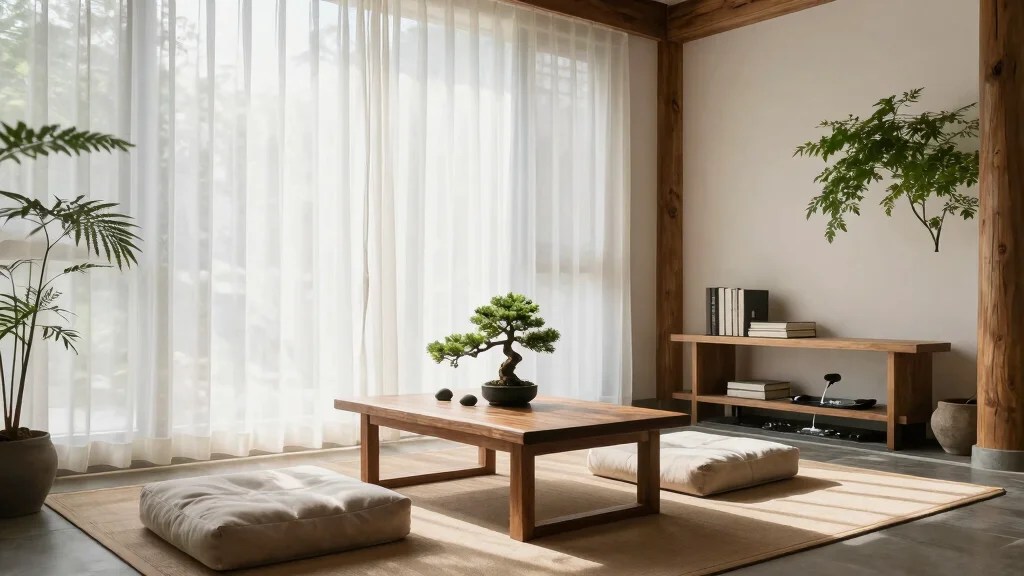
Creating a space that embraces tranquility has become essential in today’s fast-paced world. The living room is often the heart of the home, making it an ideal place to cultivate a soothing atmosphere that inspires calm. This post offers a guide on how to design a zen living room, filled with peaceful decor ideas that help you unwind and recharge. Whether you’re seeking to escape the chaos of daily life or simply want to create a more harmonious environment, this post is for you.
If you’re someone who values mindfulness and serenity in your living space, you’ll find this guide particularly useful. You’ll discover how to incorporate elements like natural materials, soft color palettes, and minimalist decor. Each suggestion aims to enhance your living area and promote a sense of peace. By the end of this post, you’ll be equipped with practical tips and inspiring ideas to transform your living room into a zen sanctuary that reflects your desire for calm.
Let’s dive into the world of zen decor, where simplicity meets serenity, and peace is just a design choice away. Start envisioning a space that not only looks beautiful but feels inviting and restful.
Key Takeaways
– Natural Materials: Incorporating wood, stone, and other organic materials creates a warm and inviting atmosphere that connects you to nature.
– Soft Color Palettes: Choosing soothing hues, like soft greens and muted blues, helps to create a calm and peaceful environment, making the space more relaxing.
– Minimalistic Decor: Keep decorations simple and uncluttered. A minimalistic approach allows for more breathing room and helps to avoid overwhelming the senses.
– Indoor Plants: Adding greenery not only brings life to your space but also purifies the air and enhances your mood, promoting a more restful living area.
– Mindful Artwork: Select artwork that inspires calmness. Images of nature or abstract pieces in soft colors can serve as focal points and elevate the peaceful vibe of your room.
Contents
- 1. Embrace Natural Materials
- 2. Soft Color Palettes
- 3. Minimalistic Decor
- 4. Incorporate Indoor Plants
- 5. Soft Lighting Solutions
- 6. Water Features for Serenity
- 7. Textures That Invite Comfort
- 8. Mindful Artwork
- 9. Personal Touches of Calm
- 10. Design for Multi-Purpose Use
1. Embrace Natural Materials
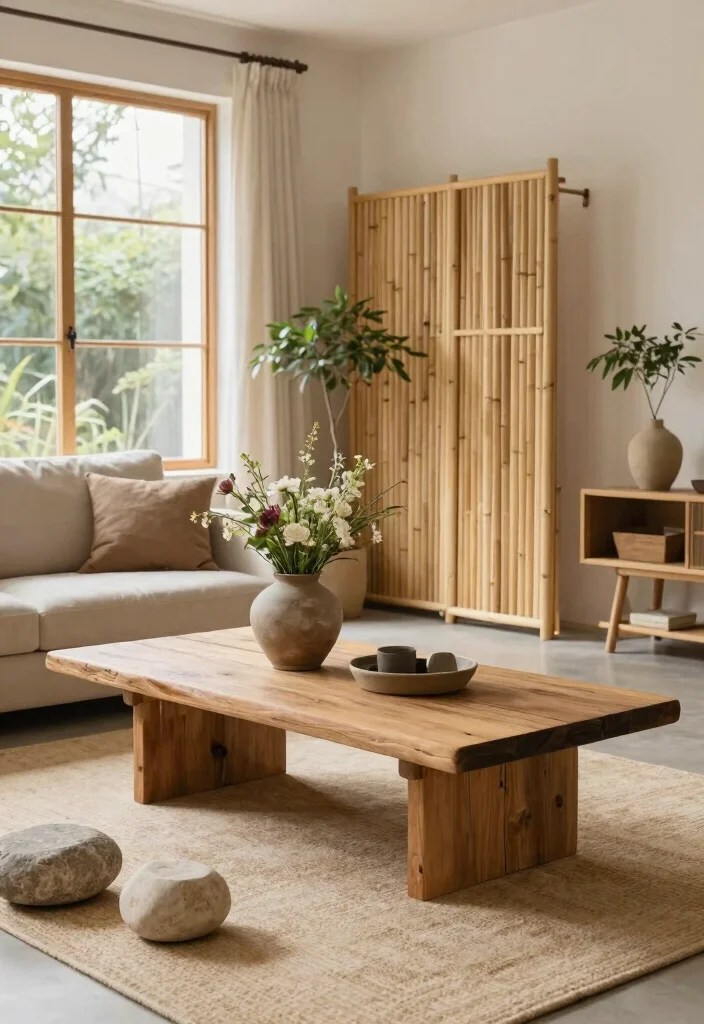
Incorporating natural materials is essential for crafting a Zen living room that feels grounded and serene. The warmth of wood, the coolness of stone, and the versatility of bamboo work together to create a harmonious connection to nature, which is central to Zen philosophy. For instance, a rustic wooden coffee table paired with smooth stone accents can set a calming tone, while a bamboo screen offers both privacy and style.
To achieve this look, consider using reclaimed wood for furniture or decorative elements. Look for locally sourced stones that can serve as sculptures or accents. Textiles made from natural fibers like cotton and linen further enhance the organic feel of your space.
Here are some ideas to integrate natural materials:
– Choose wooden furniture with simple, clean lines for a minimal look.
– Use stone vases or planters to house plants or flowers.
– Introduce textiles made from natural fibers, such as cotton, linen, or wool.
Embracing these natural elements fosters a sense of tranquility and invites the beauty of the outdoors inside.
❝ Natural materials aren’t just decoration — they quietly shape your mood and daily calm. When you swap synthetic pieces for wood, stone, and bamboo, your Zen living room becomes a calmer, more focused space you’ll actually want to relax in every day. ❞
Embrace Natural Materials
Editor’s Choice




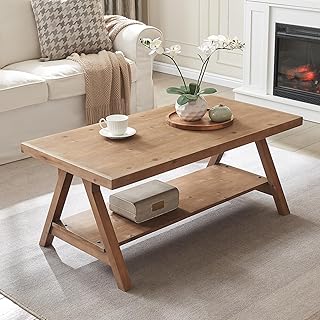
How To Design a Zen Living Room: Peaceful Decor Ideas That Inspire Calm
Creating a zen living room is all about crafting a space that fosters relaxation and tranquility. Here’s how you can achieve that peaceful decor vibe, step by step.
1. Embrace Natural Materials
Choose materials that bring the essence of nature into your home. Think about using wood, stone, and bamboo. These materials not only look beautiful but also create a warm and inviting atmosphere. Look for furniture made from reclaimed wood or accessories crafted from natural fibers. They add texture and depth to your space while promoting a sense of groundedness.
2. Soft Color Palettes
Opt for soft, muted colors like whites, greens, and earth tones. These hues promote calmness and relaxation. Paint your walls in gentle shades or choose light-colored furniture to keep the room feeling airy. Adding pops of color through cushions or throws can enhance the zen vibe without overwhelming the senses.
3. Minimalistic Decor
Keep your decor simple and uncluttered. Select a few meaningful pieces rather than overcrowding your space. This approach makes your living room feel open and less chaotic. A large, single artwork or a statement piece of furniture can serve as the focal point. Remember, less is more in a zen-inspired setting.
4. Incorporate Indoor Plants
Plants breathe life into your living room. They not only purify the air but also add a touch of nature indoors. Consider easy-care plants like snake plants, peace lilies, or pothos. Place them on shelves, tables, or in hanging pots. Their green hues and textures enhance the tranquil feel of your space.
5. Soft Lighting Solutions
Lighting plays a critical role in setting the mood. Use warm, soft lighting to create a cozy environment. Consider floor lamps, table lamps, or even string lights for a gentle glow. Dimmer switches can also help you adjust the brightness based on your mood or time of day. Natural light is essential too, so keep windows unobstructed to let in the sunshine.
6. Water Features for Serenity
Incorporating a small water feature can significantly enhance the calming atmosphere. A tabletop fountain or a small indoor pond creates soothing sounds and adds humidity to the air. The gentle trickling of water is a beautiful auditory element that promotes relaxation and mindfulness.
7. Textures That Invite Comfort
Introduce a variety of textures to your living room to create a cozy environment. Use soft throws, plush rugs, and tactile cushions. Layering different fabrics can make the space feel inviting and warm. Look for natural fibers such as cotton, wool, or linen for an authentic feel.
8. Mindful Artwork
Select artwork that resonates with peace and tranquility. Abstract pieces or nature-themed prints can enhance the serene vibe. Hang them at eye level to create a focal point without overwhelming the space. Choose frames that complement your overall decor style to maintain cohesiveness.
9. Personal Touches of Calm
Add items that bring you joy and comfort. This might include family photos, travel souvenirs, or personal mementos. However, keep it minimalistic to avoid clutter. Each piece should have a purpose or a story behind it to contribute to the calming atmosphere of your zen living room.
10. Design for Multi-Purpose Use
Lastly, make your living room functional for various activities. Whether it’s reading, meditating, or enjoying a cup of tea, ensure your layout supports these uses. Consider furniture that can serve multiple purposes, like a coffee table that doubles as storage. This strategy keeps your space organized and promotes a peaceful environment.
Pro Tip: Always take a moment to breathe deeply before entering your zen space. This will help you transition into that calm mindset, enhancing the overall experience of your newly designed living room.
2. Soft Color Palettes
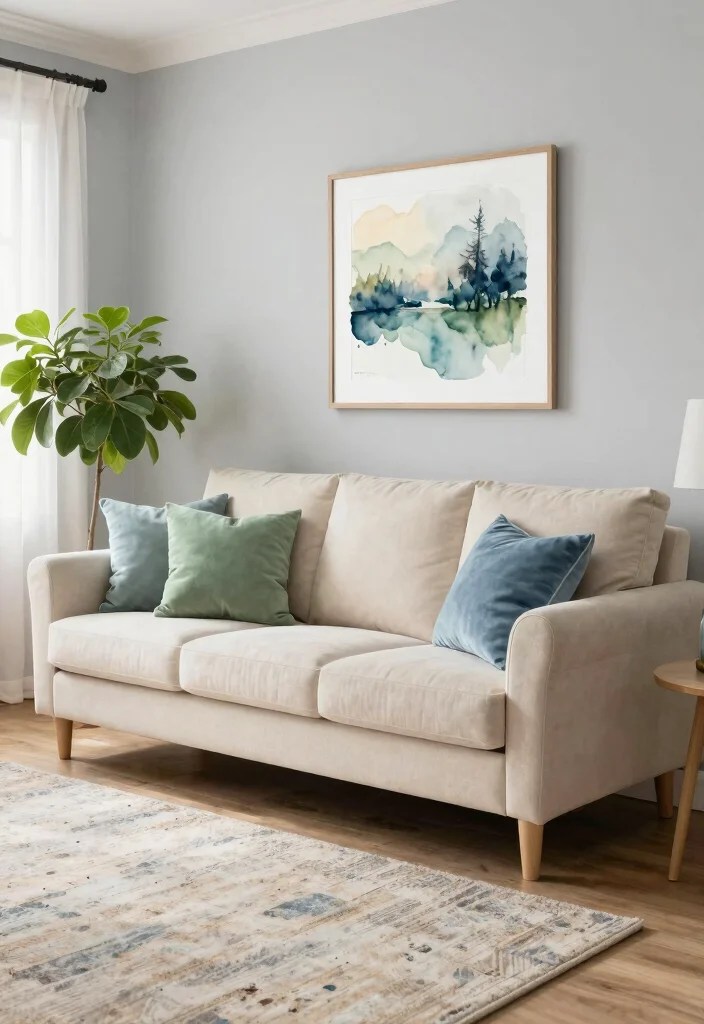
Choosing the right color palette is vital for establishing a Zen atmosphere in your living room. Soft, muted tones like creamy whites, cool grays, gentle greens, and airy blues create a peaceful backdrop that invites relaxation. These colors work together to evoke feelings of serenity, transforming your space into a tranquil retreat. For example, a pale blue accent wall can beautifully complement light gray furnishings, enhancing the calming vibe.
To master this soothing color scheme, consider painting your walls in a light, neutral shade and adding an accent wall for depth. Layer your textiles with soft, textured throws or pillows to introduce subtle color variations. Select artwork that features these tranquil hues to maintain a cohesive look.
Here’s how to master a calming color palette:
– Paint the walls in a light, neutral shade and consider adding an accent wall with a soothing tone.
– Use soft, textured throws or pillows to introduce subtle color variations.
– Choose art pieces that incorporate these tranquil colors, keeping the overall vibe relaxed.
A thoughtfully curated color scheme can profoundly enhance the mood of your living space.
Fun fact: Soft color palettes—creamy whites, cool grays, greens, and blues—can subtly reduce perceived stress by up to 20%. They also make a zen living room feel more spacious.
@media (max-width: 600px) {
.normal-quiz-iframe { min-height: 570px !important; height: 570px !important; }
}
3. Minimalistic Decor
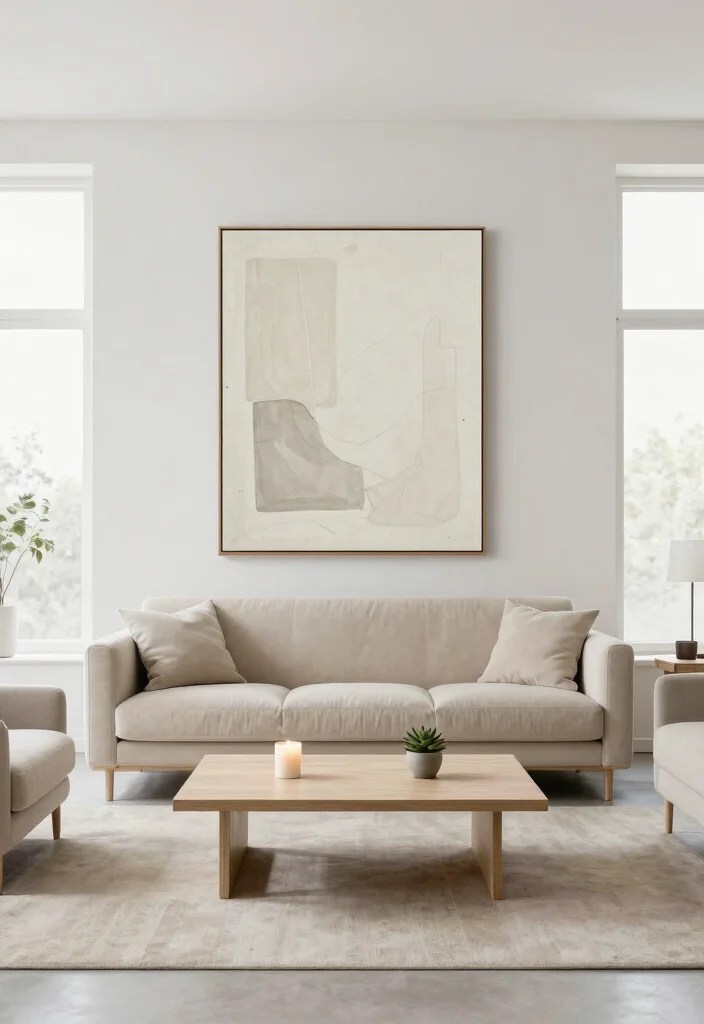
Adopting a minimalistic decor style is key to achieving a Zen living room that promotes clarity and calm. By focusing on a few carefully selected pieces, you can create an atmosphere that encourages relaxation, free from the stress of clutter. For instance, a single statement art piece can serve as a focal point, while a few meaningful objects can express your personality without overwhelming the space.
To embrace minimalism effectively, limit the number of decorative items and prioritize those that evoke tranquility. Keep surfaces clear and free from distractions to enhance the sense of openness.
To achieve minimalism:
– Select one or two statement art pieces and let them shine without distraction.
– Limit knick-knacks and showcase a few carefully chosen items that have personal meaning.
– Keep surfaces clear and free of unnecessary items to promote visual peace.
This minimalist approach not only creates a spacious feel but also cultivates harmony and balance within your living area.
4. Incorporate Indoor Plants

Integrating indoor plants is a wonderful way to bring life and tranquility into your living room. Not only do plants enhance air quality, but they also introduce a refreshing vibrancy that connects you to nature. Opt for easy-to-care-for varieties like peace lilies, snake plants, or elegant bonsai trees to create a serene environment.
To effectively incorporate plants, consider grouping them at varying heights for visual appeal. Place taller plants in corners while smaller ones can adorn shelves or tables. Choose pots that complement your decor for a cohesive look.
Here are tips for integrating plants:
– Group plants of varying heights for a dynamic look, placing taller plants in corners and smaller ones on shelves.
– Use simple pots that complement your decor without overwhelming it.
– Consider a plant stand or wall-mounted planters to save space and create visual interest.
Adding greenery fosters a deeper connection with nature, which is essential for a peaceful Zen living room.
Ever notice how a well-placed peace lily or snake plant can calm a room faster than any lamp? In a zen living room, grouping plants at different heights makes the space feel alive and effortlessly tranquil. Start with a couple of easy-care varieties and watch calm grow.
📹 Related Video: How to make a Room Feel Cozy | plants, lighting, textiles
5. Soft Lighting Solutions
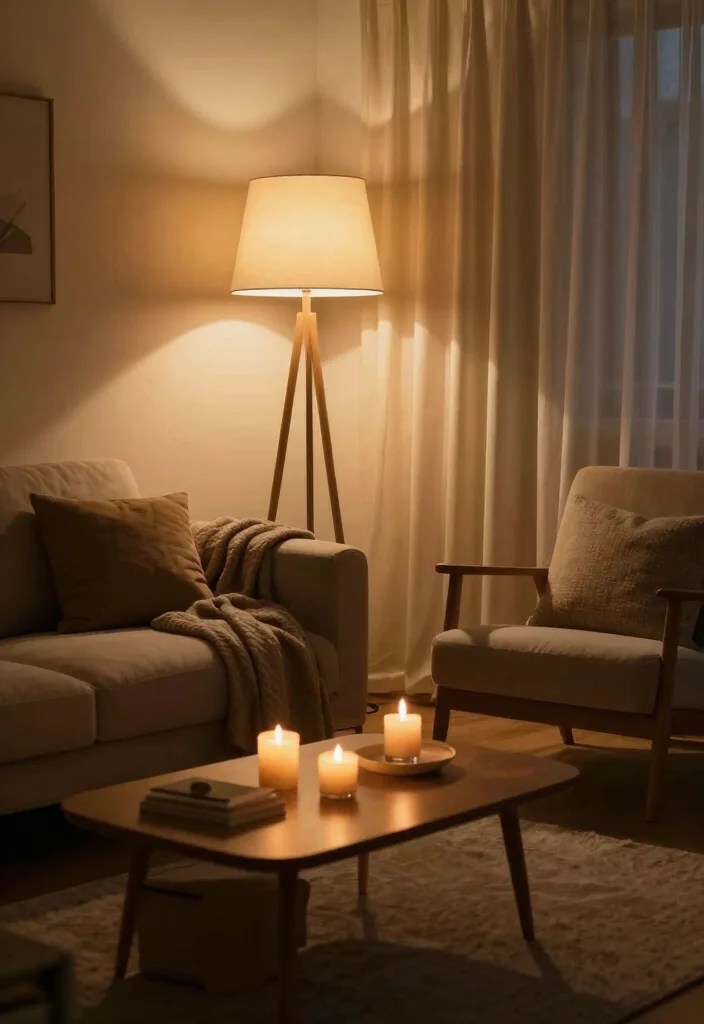
The right lighting can dramatically influence the ambiance of your living room. Aim for soft and inviting lighting that creates warmth and relaxation. A mix of floor lamps, table lamps, and candles can help achieve this tranquil atmosphere. For instance, a well-placed floor lamp can provide gentle illumination while adding a stylish touch.
To create the perfect lighting, opt for lamps with soft, muted shades that diffuse light gently. Consider using dimmable LED bulbs to customize brightness based on the time of day. Incorporate scented candles for an added layer of soothing glow and aroma.
Here are some lighting ideas:
– Choose lamps with soft, muted shades that diffuse light gently throughout the room.
– Use dimmable LED bulbs to adjust the brightness according to the time of day.
– Incorporate scented candles for a soothing glow and aroma that enhances relaxation.
Thoughtful lighting will create an inviting and tranquil environment in your living space.
Soft Lighting Solutions
Editor’s Choice


6. Water Features for Serenity
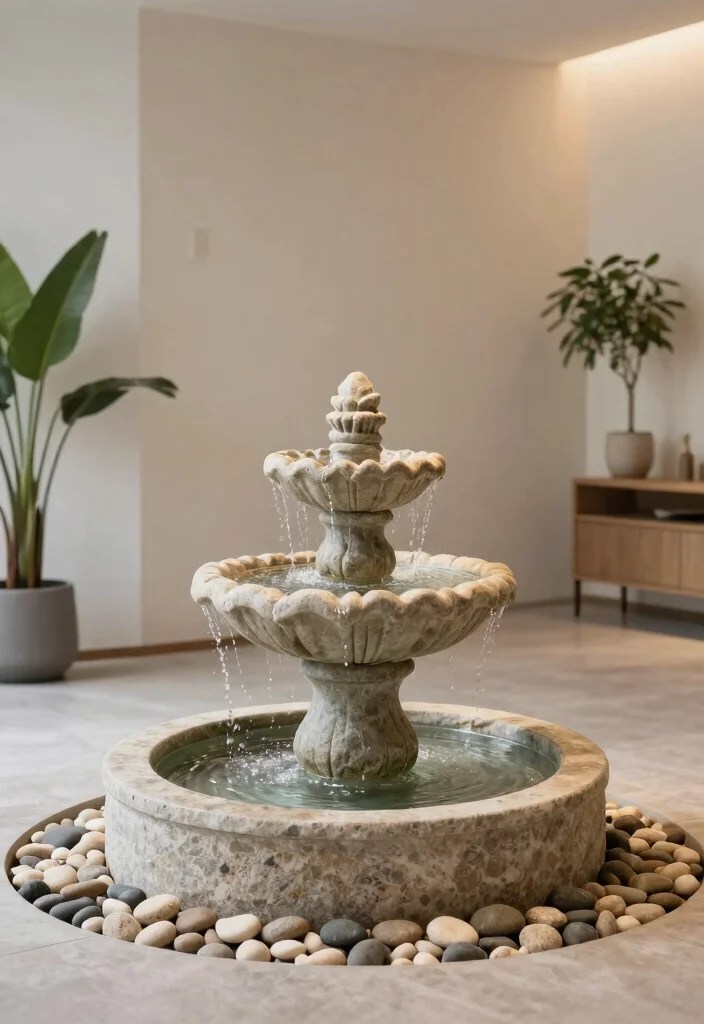
Incorporating a water feature into your living room can introduce a soothing ambiance. The gentle sound of trickling water is incredibly calming, making it an ideal addition to a Zen-inspired space. Consider options like a small tabletop fountain or a wall-mounted water feature to save space while enhancing tranquility.
To effectively add a water feature, position it in a spot where it can be a focal point without cluttering the area. Ensure the sound of the water flow is soft and soothing, creating a peaceful atmosphere. Surround the feature with natural elements like stones or pebbles to enhance its organic feel.
Here are tips for adding water features:
– Position the fountain in a spot where it can be a focal point yet not clutter the area.
– Ensure the sound of the water flow is soothing and not overwhelming.
– Surround the feature with stones or pebbles to enhance the natural feel.
This simple addition elevates the tranquility of your living room, providing a serene escape.
Water Features for Serenity
Editor’s Choice


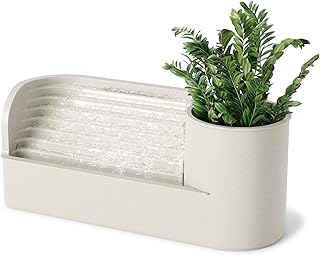
7. Textures That Invite Comfort

In creating a cozy Zen living room, layering different textures is key. Soft fabrics like plush throws, cozy cotton cushions, and natural fiber rugs contribute to an inviting atmosphere. Incorporating various textures will add depth to your space without overwhelming the visual experience.
To achieve this comforting look, mix cushions of different fabrics and sizes on your sofa for a welcoming touch. A jute rug beneath your coffee table can ground the space naturally, while woven baskets provide stylish storage options.
Consider these texture ideas:
– Use a mix of cushions in different fabrics and sizes on your sofa for a welcoming touch.
– Add a jute rug beneath your coffee table for a natural grounding effect.
– Incorporate woven baskets for storage that also add texture and style.
These elements invite comfort while maintaining a peaceful aesthetic, enhancing your living space.
Textures That Invite Comfort
Editor’s Choice




8. Mindful Artwork
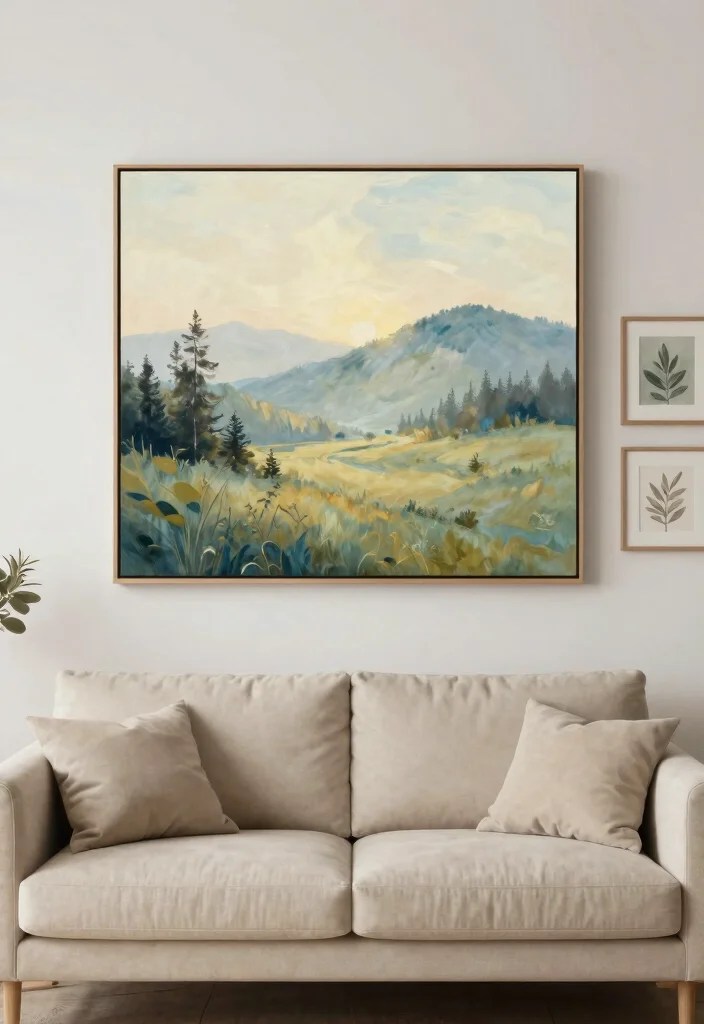
Art possesses the ability to uplift and instill tranquility in your living space. For a Zen living room, select artwork that evokes calmness and contemplation. Serene landscapes, soft-colored abstracts, or meaningful quotes can resonate with your sense of peace and enhance the overall vibe.
When choosing artwork, opt for larger pieces that make an impact without overwhelming the space. Framed prints of nature scenes or minimalist designs can promote relaxation and harmony. Position the artwork at eye level to create an engaging focal point that draws attention.
Here are some tips for selecting mindful artwork:
– Opt for larger pieces that make an impact without overwhelming the space.
– Consider framed prints of nature scenes or minimalist designs that promote relaxation.
– Position the artwork at eye level to create an engaging focal point.
Thoughtfully chosen art can significantly enhance the Zen atmosphere and invite introspection into your living space.
9. Personal Touches of Calm
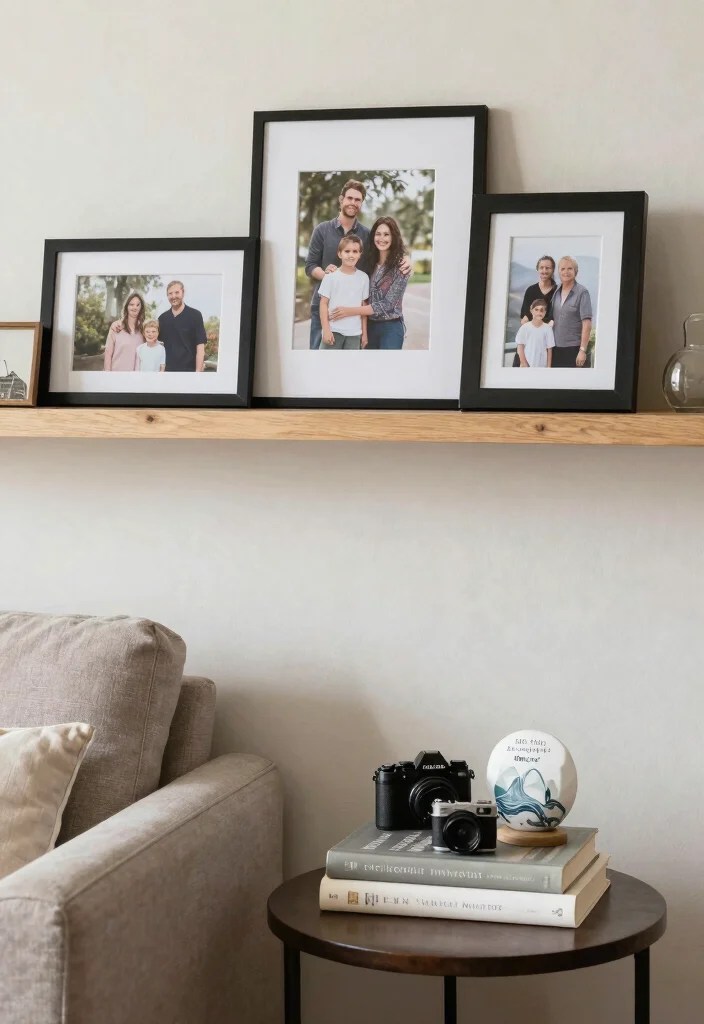
Incorporating personal touches into your living room allows you to express your individuality while preserving a Zen atmosphere. Include items that resonate with your personal journey or evoke peaceful memories, such as souvenirs from travels or cherished family heirlooms. These elements can add character without creating chaos or clutter.
To maintain a balanced look, display a few meaningful books on a shelf that inspire mindfulness. Use simple frames for family photos to keep your connection alive while ensuring a clean aesthetic. Choose decor items that reflect your unique style yet adhere to the calming theme of your space.
Consider these ideas:
– Display a few meaningful books on a shelf that inspire mindfulness.
– Incorporate family photos in simple frames to keep your connection while ensuring a clean look.
– Choose decor that reflects your personal style yet adheres to the calming aesthetic.
Balancing personal touches with thoughtful design creates an authentic and peaceful space.
10. Design for Multi-Purpose Use
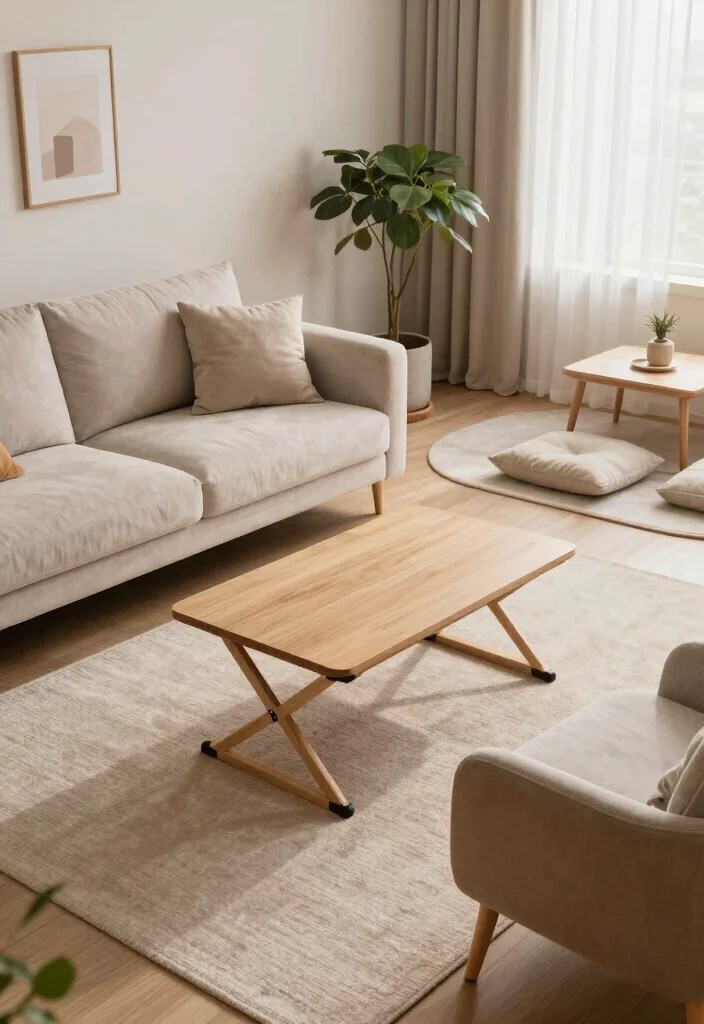
Designing a Zen living room means creating a space that accommodates multiple uses. Whether it’s for meditating, reading, or simply unwinding, ensuring your living room serves various purposes while maintaining a sense of calm is crucial.
To achieve a versatile layout, incorporate comfortable seating that can be easily rearranged for different activities. Foldable furniture, like a coffee table that doubles as a workspace, can maximize functionality. Establish designated zones within the room to support different activities without disrupting the overall peaceful vibe.
Here are some tips to design a multi-purpose Zen space:
– Incorporate comfortable seating that can be rearranged easily for different activities.
– Use foldable furniture, such as a coffee table that can double as a workspace.
– Create designated zones within the room, allowing for different activities without disrupting the overall vibe.
A flexible design fosters adaptability in your Zen living room, encouraging a lasting sense of peace.
Design for Multi-Purpose Use
Editor’s Choice


.visual-quiz-iframe { min-height: 995px !important; height: 1100px !important; }
}
Conclusion
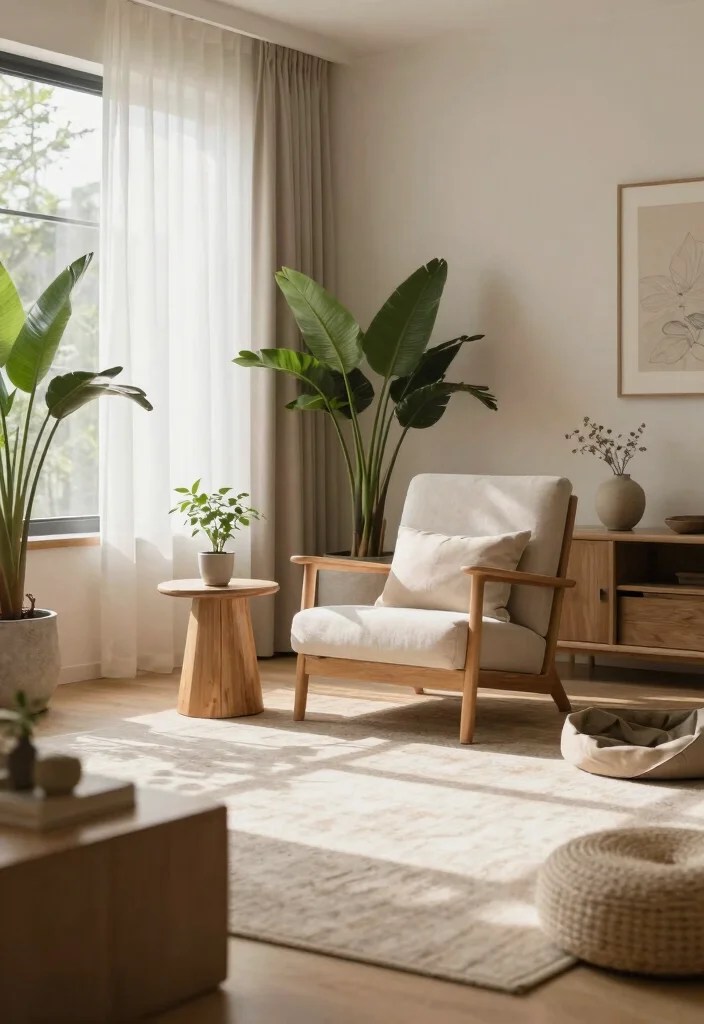
Creating a Zen living room is an enriching journey that transforms your space into a sanctuary.
By embracing natural materials, soft color palettes, and mindful decor, you can design an environment that inspires calm and reflection.
Incorporate your personal style while keeping the focus on tranquility, and soon you’ll have a space that feels like an oasis in your home.
Note: We aim to provide accurate product links, but some may occasionally expire or become unavailable. If this happens, please search directly on Amazon for the product or a suitable alternative.
This post contains Amazon affiliate links, meaning we may earn a small commission if you purchase through our links, at no extra cost to you.
Frequently Asked Questions
What exactly is a zen living room, and how do I design one that feels peaceful?
At its core, a zen living room emphasizes simplicity, balance, and a connection to nature. To design one that feels peaceful, start with a clutter-free foundation: pare down to a few meaningful pieces and let negative space breathe.
Choose a calm color palette—soft beiges, warm whites, or cool stone tones—and layer natural textures like wood, linen, and stone.
Opt for low-profile furniture with clean lines, keep electronics out of sight, and use gentle lighting (paper lanterns, candles, or warm LEDs) to create a soothing glow. Finally, add a single natural element or plant as a quiet focal point to complete the space.
What are practical peaceful decor ideas to create a zen living room in a small space?
For small spaces, practicality and calm go hand in hand. Start with function-first furniture: a compact sofa, low coffee table, and hidden storage to cut clutter.
Choose a restrained color palette and add texture with textiles like cotton, linen, and jute to keep the zen living room feel without overwhelming the room.
Add peaceful decor ideas, like a single plant, a small water feature, or a simple wall panel, and use mirrors to reflect light and create the illusion of more space. Keep electronics tucked away, and schedule regular quick tidy sessions to maintain the serene vibe of your zen space.
Which colors, textures, and materials best promote a calming zen living room?
Soft neutrals and natural textures are your friends. Favor colors like taupe, warm white, soft gray, and muted greens to evoke calm in the zen living room, avoiding high-contrast combinations.
Layer textures such as smooth stone, warm wood, linen, and cotton to add depth without noise. Use minimal patterns—think solid colors or gentle weaves—to keep the space peaceful and uncluttered.
Incorporate natural materials (bamboo, cork, ceramic) and let one focal material guide the decor to maintain balance and serenity.
How should I arrange furniture and lighting to support balance and tranquility in a zen living room?
Arrange seating to encourage quiet conversation and a clear view of a tranquil focal point, like a simple plant, sculpture, or view outside. Keep furniture low and streamlined to preserve openness and balance.
Layer lighting with dimmable options: a soft overhead glow, a couple of table lamps, and a candle or two for mood. Leave generous negative space around key pieces, and use screens or textiles to create calm zones without blocking flow.
Incorporate natural elements nearby, and aim for symmetry or intentional asymmetry that feels harmonious rather than busy.
Are there simple plants and natural elements that enhance calm in a zen living room?
Yes. Start with easy-care greenery like snake plants, pothos, and philodendrons—they purify air and add life without fuss.
Place a carefully chosen plant in a quiet corner or near a window to breathe air and soften corners. Add natural elements such as a stone bowl, a bamboo tray, or a small fountain if you like ambient sound—just not so much that it distracts from calm.
Keep pots neat, rotate plants occasionally, and avoid overloading the space with tiny decor that creates visual clutter. Your zen living room will feel calmer with thoughtful, limited greenery and natural textures.
Related Topics
zen living room
peaceful decor
minimalist design
calming aesthetics
natural materials
mindful spaces
beginner friendly
easy updates
tranquil atmosphere
small living rooms
DIY zen decor
feng shui tips
 BECAUSE IT'S ALWAYS
Leave a comment